Global Work from Home Day 2024
It is safe to say that the way we work has changed fundamentally. Today’s workforce has expanded through digital connectivity and remote collaboration.
As organisations all over the world adapt to new work models, we celebrate Global Work from Home Day as the vehicle through which employees and employers celebrate the flexibility and productivity obtained through remote work.
What are some of the key benefits of working from home?
When allowing the flexibility to work from home, organisations are creating a positive work environment for all kinds of living situations, life phases, and personal preferences, this takes out of the equation the exclusion that happens when you dictate how people should relate themselves to work.
Inclusivity brings multiple advantages to adopting a work from home model because it benefits both the employee and the employer.
Employers see a bigger pool of people who can be successful at the organisation. For professionals, an enhanced opportunity to choose how they work is offered. The added autonomy of working at home, office, or shared workspace increases their wellbeing. Moreover it conveys a employee-centric approach, which can boost engagement and therefore improve overall company performance.
How do employees relate themselves to work?
We see high engagement at Top Employers, even with people working from home, but we know the key is to make sure we maintain this level of engagement. We must continually gather information to develop ways to stay connected as the organisation grows. That is why we focus on the importance of creating a programme that is intentional by design.
To create an intentional programme, we must first know the relationship between employees and their work. This is possible, through hr analytics and employee insights.In organisations with a human-centric approach, there is the employee, then the team, then the company, and this needs to be well defined.
At Top Employers Institute, we continue to develop the process of defining how the employee relates to the team and the company to offer them a journey that is aligned throughout the world.
This explains how we look at variables like work location and decide what needs to be in place no matter where you work to keep high levels of engagement.
Download Now: Navigating a Dynamic Workforce
How do we stay connected working from home?
Intentional connection is the key. By making connectivity a goal, we see how working from home fits into the bigger picture of how professionals work and how this shapes the employee-employer relationship.
Connection can’t be left up to chance. It must be worked into an organisation’s goals, and these goals should answer questions like what the relationship between the employees and the employer should look like. How do the employees relate to the work at hand and to the overall goals of the organisation?
Working from home should not equal working in isolation. There should always be opportunities for employees to learn from each other and model behaviours that create the corporate culture, not in a forced way, but because they like it.
Practical examples include:
- Creating an environment that promotes the exchange of information.
- Fostering efficient processes that support an employee’s best performance.
- Encouraging a sense of belonging through shared rituals like traditions or team events that improve the employee experience.
- Providing opportunities for employees to contribute to the company’s narrative and identity.
- Understanding that this is a work in progress and that growth and change are vital to creating a good programme for the employees.
What are some things to be aware of when working from home?
Employees must have what they need to perform their role. This is not just in physical items like computers and desks but also in processes that allow for connection with colleagues and managers, including periodic connections to evaluate performance and ensure goals are being met.
Keeping a work-life balance can sometimes be harder. One surprising fact is that many people tend to work more when working from home because they’re relaxed and forget the time.
Finding the balance when working from home is an important part of why this arrangement must be intentionally planned as it is important to the employee’s wellbeing.
How can an employee advocate for remote work accommodations?
An employee’s work environment needs to match their own beliefs and vision to bring about the best work. It’s a very personal decision, and it won’t look the same for all employees. Our belief at Top Employers Institute is that everyone we hire is a professional and is motivated.
The organisation and the employee should work as a team to make sure the employee has what they need to be successful because the motivation is already there. It’s hard to believe that providing employees with what they need to fulfil their duties doesn’t link to better financial results for the company because people are happier, and happier people perform better.
When advocating for this type of work arrangement, the organisation must be able to see how this is of mutual advantage. The culture in the organisation must be the type that believes that giving people autonomy will produce better employees, so making a business case for this type of work set-up must show how it will improve productivity.
What advice do you have for companies deciding on their policy for a work from home programme?
For us, the priority is getting the right person for the job rather than the right person, in the right place, in the right time zone, and in the right phase of their lives for the job. The model is simple, but the effect is huge. There are a lot of systems to hold up this style of working but having a productive workforce should be the goal.
Organisations are hiring professionals, and the expectation is that they should know what they need to be successful. This can only happen once the definition of success inside the organisation has been explained. A certain balance in autonomy, sense of belonging, and a clear picture of what is expected of the professional is the key to developing a great work from home programme.
Part of it is, of course, where the employee is physically doing the work. The other part is how they are staying engaged. Are they collaborating? Do they feel connected? Many elements that can be used to create the right work from home environment, and this is where we should focus on the philosophy or point of view and not where a person is physically working.
The role of the organisation is in coordinating the matrix that facilitates the connections to happen between employees. Reinforcing the culture, common language style, ad hoc encounters, and building relationships are some of the tools an organisation can use to facilitate connections between employees.
Organisations that keep a human-centric approach must continually ask if policies are still working for the wellbeing of the employees and for reaching the organisation’s goals. We need to make sure we take care of each other; if one sees the other is not doing well in our definition of success, it’s my responsibility to help you out.
Your success is my success. The human-centric approach towards working from home is just one element of a whole approach to a person-centric work culture and it’s what we believe is the right thing to do for a successful company.
During Top Employers Inspire 2023, we got an insider’s view of how Top Employers Institute is becoming a human-centric organisation. Paola Bottaro, People Director at Top Employers Institute, talked to Wouter van Ewijk about how the business has adapted to support its employees better while learning to be mindful, empathetic, and purposeful. You can watch that session here.
Final thoughts: the shift to remote work has significantly enhanced the digital employee experience
As technology becomes the primary means of communication, collaboration, and productivity, working from home has increased reliance on digital tools, like video conferencing, project management software, and virtual collaboration platforms.
This shapes the way employees interact with colleagues and complete their tasks.
This digital transformation has not only made work more flexible but also redefined workplace culture, as organizations invest in fostering engagement, well-being, and professional development through digital channels.
As remote work continues to evolve, the digital employee experience will likely play an even more central role in shaping organizational success and employee satisfaction.
Best Practice | Virtusa’s Talent Digital Transformation
Certified Top Employer, Virtusa, committed to an 18-month-long HR digital transformation to dramatically change the digital experience for their employees, covering everything from recruiting and onboarding to learning and development, inclusion, and rewards. The organisation did not simply make small incremental changes; they reimagined all their processes and radically transformed them into a single, fully integrated, hyper-personalised employee platform.
This is just a snapshot of Virtusa’s innovative best practice. You can find the entire practice in our HR Best Practices database, which is exclusively available to Top Employers. Get inspiration and insight into the approach, challenges and learnings experienced by certified Top Employers. Access it now via the Top Employers Programme if you are certified or learn more about it here!
Why the practice was needed:
Although technology is at the core of their business, Virtusa struggled to make technology work correctly for their employees. They had too many disjointed systems that were not creating a seamless employee experience. The systems were not driving engagement or speaking to one another. Eranga Pathirage, VP & Head of HR for the UK, Europe, and the Middle East + the Global Head of HR Tech Transformation, helped the organisation dramatically improve its talent understanding and engagement through a digital HR transformation.
Pathirage recalls that they already had all this valuable data about their 35 000 employees across 25 countries. As a provider of technical services, they respected and knew the power of technology. They saw a solution in centring the relationship between technology and their employees to drive adoption and employee loyalty.
Read More: Best Practice | Momentum Metropolitan’s Offboarding Practice
How they implemented the practice:
Pathirage recalls that the most challenging part of their HR digital transformation was the beginning, as he and his team wanted to be bold and did not know exactly how to start; they wanted to involve everyone in the business and obtain their buy-ins as well. Pathirage and his team took on the enormous task of reviewing all their processes to truly reimagine a digital solution offering their people an optimal employee experience. As he explained, they were not making incremental changes to some of their HR systems but instead re-hauling the entire process. In thinking through the right solution then, they followed some important grounding principles:
- There would be one single source of truth.
- Their HR digital solution would be fully integrated within Virtusa’s IT system.
- The technology they picked would also give the company the ability to evolve. The technology selected and implemented should allow Virtusa to stay agile and guide the business accordingly.
- As a technology services organisation, Virtusa also wanted to put technology first.
With these grounding principles, the organisation set out to pick a Software as a Service (SaaS) solution for each element of the employee experience. The solution as a whole was born in the cloud.
Download Now: World of Work Trends 2024
The results of implementing the practice
The results of this HR digital transformation can already be seen. The company now has an AI chatbot to assist in a personalised candidate experience, providing a consistent company story for prospective employees. SkillPrism, powered by AI, can create an employee profile from multiple data points to fully understand competencies within the business. The company can now also offer a personalised learning journey for their employees and, through Edge, can offer their own internal “LinkedIn,” giving each employee one to three personalised job openings across customers, domains, and countries.
Once this digital solution was offered, Virtusa employees adopted it quickly, with an 85% adoption rate in the first two weeks.
Learn more about the Top Employers Certification here.
Navigating a Dynamic Workforce
Top Employers Institute’s Navigating a Dynamic Workforce analyses the latest trends in the changing nature of the workforce and how employers can navigate and adapt to a dynamic workforce while maintaining employee engagement and success.
In the report, our analysis offers organisations a look at how they can unlock business success by leveraging and empowering their contracted, non-traditional talent with four recommendations. Those recommendations are:
- Include contingent workers: Successful organisations value and respect every contributor, including contingent workers. They should be included in opportunities that normal employees would experience, such as access to various HR processes, practices, and deliverables.
- Support employees with directing their own career evolution: Organisations should empower employees to chart their career paths and provide resources for self-directed learning. This can be done through online self-service resources, interactive career portals, internal digital career marketplaces, and mentoring/coaching for career development.
- Provide resources that promote self-directed learning to all employees: The speed at which skills and skill demands are evolving requires ongoing reskilling. Organisations should offer online training programs, personalised learning portals, and micro-learning content integrated into everyday activities and facilitate opportunities for employees to learn from one another through online learning communities.
- Facilitate a smooth transition into and out of the organisation for all employees: With a dynamic workforce, onboarding and offboarding become important ways to leave a lasting impression on employees. Organisations should optimise the onboarding experience and implement meaningful offboarding practices, including a fit-for-purpose offboarding experience and gathering feedback from departing employees.
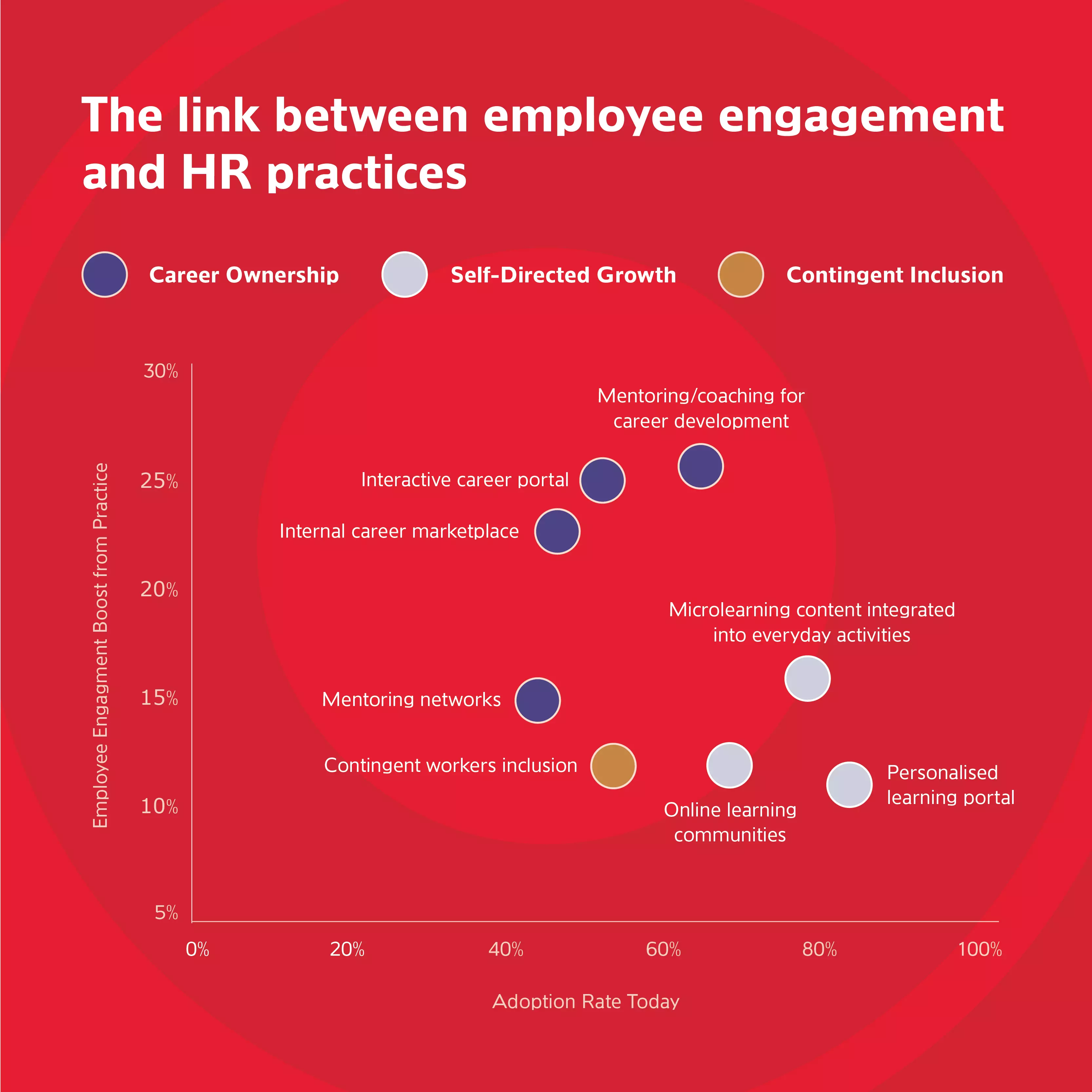
You can read more about each recommendation and gain a better understanding of the trends affecting the world of work by completing the form on the left and downloading the analysis for free.
Paradigm Shifts: Agile HR Practices and Skills-Based Organisations
To close the 2023 Top Employers Inspire event, I sat down with my colleague Quinton van Es, Director of Research & Insights for Top Employers Institute, to discuss two closely linked topics –the funadamental shifts in HR practices and the rise in skills-based organisations.
These ideas are reaching a tipping point in business practices and creating paradigm shifts.
At Top Employers Institute, we certify organisations based on best practices, which requires us to look ahead at developing industry trends and consider those that are proven successful.
Agile HR practices and skills-based organisations are becoming more mainstream when there are many disruptions and uncertainties. From a business perspective, now more than ever, organisations need to be resilient, adaptive, and human-centric.
We discussed how these two practices are enabling organisations to do just that.
From the basic tenets of each to the more significant industry implications to our personal employee experiences with each principle, our discussion covered a lot of ground.
In this article, I’ll summarise the highlights of our conversation. You can watch our discussion in full at the end of the article.
What Are Agile HR Practices?
Working agile has long been established as a best practice for IT where rapid innovation was a necessity. Gradually, the ability to quickly adapt has become a strategic imperative for organisations, causing agile practices to spill over into other areas and functions.
In HR, operations are moving away from a rules- and planning-based approach toward a simpler model based on feedback.
Organisations can struggle with agile HR operations because many things, like payroll, feel fixed–there is no trial and error. However, the application is more of a big-picture consideration. Quinton explained, “When it comes to working agile, we are used to seeing these principles applied to projects.
In the context of operating models, a lot of organisations are more agile than they realise because they already have a continuous feedback loop in place.”
The essence of this approach is about regularly receiving and responding to feedback rather than specific tasks.
There are considerable variations in how organisations apply agile principles to their HR operations. Quinton gave examples, “some organisations focus on the mindset and values.
Other organisations are taking a more methodological approach and just implement scrum.” Each approach has its pros and cons. There is no one solution, which is part of what makes this paradigm shift so interesting.
Skills-based Organisations
Historically, jobs were the dominating structure for work. Job descriptions and titles defined who did what and how their work was managed and evaluated.
This approach is falling out of favour because it hinders many organisational objectives, including growth, innovation, agility, and the ability to offer employees a positive work culture.
“A job-based approach is very linear and predictive but it’s also a reductive view of work and the individual. In contrast, skills-based organisations zoom in on specific skills and the whole person to consider how an employee’s talents may best be applied. It’s a more employee-centric approach,” Quinton said to highlight why this paradigm shift is happening. Another reason it’s gaining popularity is that it offers a great deal of flexibility and adaptability.
As jobs shift from being the primary construct for work to being one of many factors, organisations must adapt their HR practices. HR writes job descriptions, sets compensation, and manages performance reviews–all tasks based on defined jobs.
Skills-based organisations thoroughly shake up this model, reimagining employee management, which is partly why agile HR practices and skills-based organisations are often closely linked.
Benefits of Shifting
Working agile means iterations happen quickly–things are done slightly better each time. Employees do not have to wait long to see their feedback in action. Additionally, employees get used to adapting and a certain level of ambiguity.
This model fosters a culture of continuous improvement and creates better employee engagement.
A human-centric skills-based approach supports employee well-being. It considers the whole individual, not just their education and experience. As a result, organisations can tap into larger talent pools, and current employees have a greater sense of mobility. “A famous example here is Google,” explained Quinton, “They acknowledged that they made a mistake by just relying on credentials because performance dropped. They figured out that they needed to consider motivation and individual skills more than specific credentials.”
Advice for Getting Starting
Starting small always helps ease the transition–it creates less of a shock to the system. “Why not put someone from IT that’s used to working agile on the HR project team and see what comes from that,” Quinton suggested.
It is also helpful to identify your value proposition. A clear understanding of your business case for making these changes will justify the required resources. A valuable next step could be a readiness assessment. This process will let you see if your organisation is ready to move into that domain and identify potential challenges.
From my experience during transitions, the art of letting go is essential for leadership. As you guide your organisation through significant operational changes, accepting uncertainty is a requirement. If you don’t, progress is seriously inhibited.
I invite you to watch our complete discussion to hear more examples of how organisations that are Certified Top Employers put these principles into action. The applications are quite varied and continuously evolving, making agile HR operations and a skills-based approach to work exciting trends to follow.
Key Takeaways | World of Work Trends 2024
Top Employers Institute’s World of Work Trends 2024 analyses the latest trends in people strategies and practices from leading organisations globally. The report, which came out recently, is available to download now. The report showed the five most significant global workplace trends in 2024. Those trends are:
- Empower through AI
- The Future Defined with Purpose
- Dialogue for Transformation
- Evolution of Wellbeing Effectiveness
- Broaden the Horizon of DEI
The release of our annual World of Work Trends 2024 was followed by an online live briefing on the 7th of December 2023, with Quinten van Es and Emily Cook delving deeper into the trends. In their discussion, they touched on real-life examples of the trends and broke down the tactics organisations will need to take in 2024 to succeed.
If you missed out on the session, you can watch it now by filling in the form on the side of the page.
Make sure to unlock the core HR trends affecting organisations across the globe. Watch the session now.
World of Work Trends 2024 – Report
Top Employers Institute’s World of Work Trends 2024 analyses the latest trends in people strategies and practices from leading organisations globally. In the report, our analysis showed five significant trends affecting workplaces in 2024. Those trends are:
- Empower through AI
- The Future Defined with Purpose
- Dialogue for Transformation
- Evolution of Wellbeing Effectiveness
- Broaden the Horizon of DEI
Read more about each trend in our article below or get in-depth insights by completing the form on the left and downloading the report for free.
The speed of innovation in AI has opened doors to a revolution in how we work. The shifting cultural landscape has enabled leaders and employees to drive meaningful societal impact. And the growing awareness of different identities and wellbeing needs has made inclusion non-negotiable. The organisations that will be most successful in this new world of work capture these opportunities purposely, thoughtfully, and ethically.
The sweeping global financial, technological, and political changes that have been happening worldwide will bring attention to people’s complexities and unique value. The year 2024 will see people firmly recentred at the heart of the workplace – and the five key trends of the coming year reflect the growing realisation that whilst AI will support and optimise, the real competitive advantage is found in the creativity, passion, and partnership between employees.
Trend 1: Empower through AI
The release of ChatGPT in November 2022 prompted a wave of excitement about the potential of generative AI and considerable concerns about its impact on employment. As we enter 2024, the conversation will become more grounded. Organisations will look to implement more ethical stewardship of their potential in the year ahead and start with a clear vision for human-AI synergies.
Many organisations are still in the exploratory stages with AI, and in 2024, the discussion will shift from what you can do with AI to what you should do with AI. An ethical framework for AI adoption will, therefore, become central to HR Digital strategies – and we see this happening in three ways:
- Organisations take a responsible approach to how data is used to track employee behaviour or sentiment. HR leaders must prioritise AI’s ethical, explainable, and transparent roll-out.
- HR will see how technology can be used and deployed around the employee experience. When poorly implemented, AI could cause employees to lose a sense of meaning in their work.
- HR will look to see how AI can support, rather than challenge, the interaction between humans. Humans want to work with humans. And whilst AI offers HR innovative new routes to tracking and personalising offerings, face-to-face contact will become a greater imperative.
How will organisations begin to do this? The answer starts with leaders, the subject of our next trend. You can find more details on this trend by downloading the full report now.
Trend 2: The Future Defined with Purpose
Last year, in the World of Work Trends Report 2023, we predicted the growing importance of a “lived” purpose – one that comes straight from the heart of all those who work. This sense of purpose will remain a constant in their everyday decisions. More recent research conducted by Top Employers Institute shows that organisations will only see the benefits of a solid organisational purpose if they have the right leaders to bring it to life.
Purpose-driven leadership is critical to success. So, what do employees want from their leaders in 2024?
- On big-picture issues, they want leaders to be situated in the real world, speaking about real-world problems, just as their employees would. They should think beyond immediate business concerns to offer more to their employees.
- Empathy is also at the heart of purpose-driven leadership. Leaders will need this trait as much as their business acumen in the coming year.
Empathy requires a genuine two-way dialogue. Leaders must listen more – employees expect an authentic voice in important decisions.
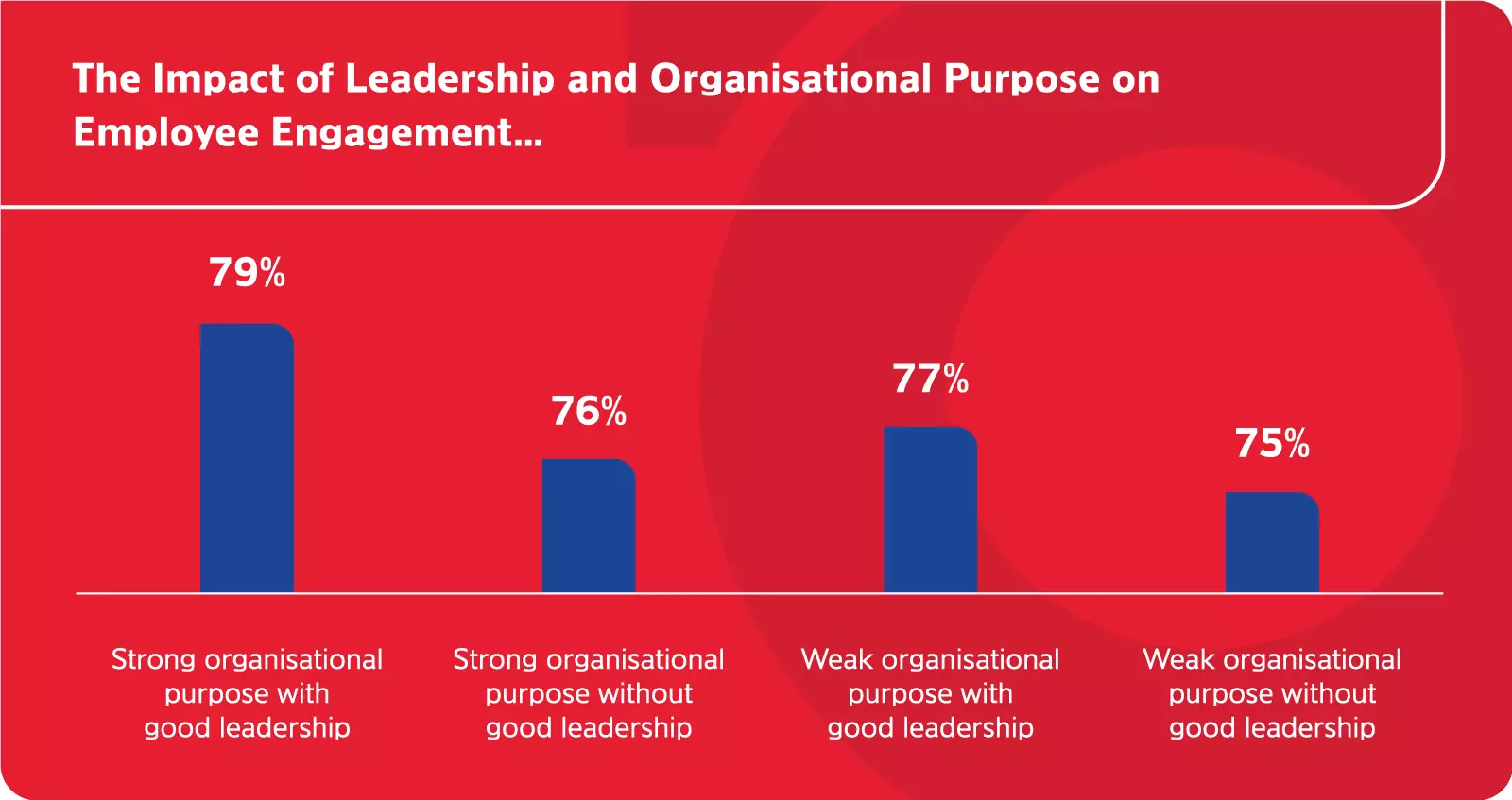
Organisational purpose is an evolving and collaborative process that demands the commitment of every employee. That leads us to our third trend. You can find all the details about this trend and more in the complete report. Download it now!
Trend 3: Dialogue for Transformation
Employees who feel genuinely listened to by the organisation are more likely to be engaged, and organisations orchestrating meaningful employee dialogues are reaping the benefits. Our latest Top Employers data shows that almost every HR practice encouraging employee involvement in strategic decisions helps to drive business success metrics.
A Dialogue for Transformation has two elements:
- On an individual level, employees need to see their input applied practically in business decisions – those who feel empowered to influence how their work gets done experience far higher performance levels and job satisfaction.
- Beyond the individual, collective intelligence describes the alchemy that happens when diverse perspectives meet collaboratively. It represents the sum of individual intelligence and the additional innovation sparked through their combination.
Empowerment plus collective intelligence has helped to drive new ideas for organisations, often above and beyond the scope of regular day-to-day business.
Moving the needle on what matters will demand ever closer and more constant conversation with employees. Transformational dialogue will be foundational for the last two trends. Download the full report to find out more.
Trend 4: Evolution of Wellbeing Effectiveness
Many organisations struggle to balance their HR budgets while still trying to enhance employee wellbeing. In 2024, therefore, wellbeing will be about getting the most suitable offerings, not the most. Research carried out by Top Employers Institute last year demonstrated that additional wellbeing programmes provided little or no additional benefit to employees beyond a saturation point.
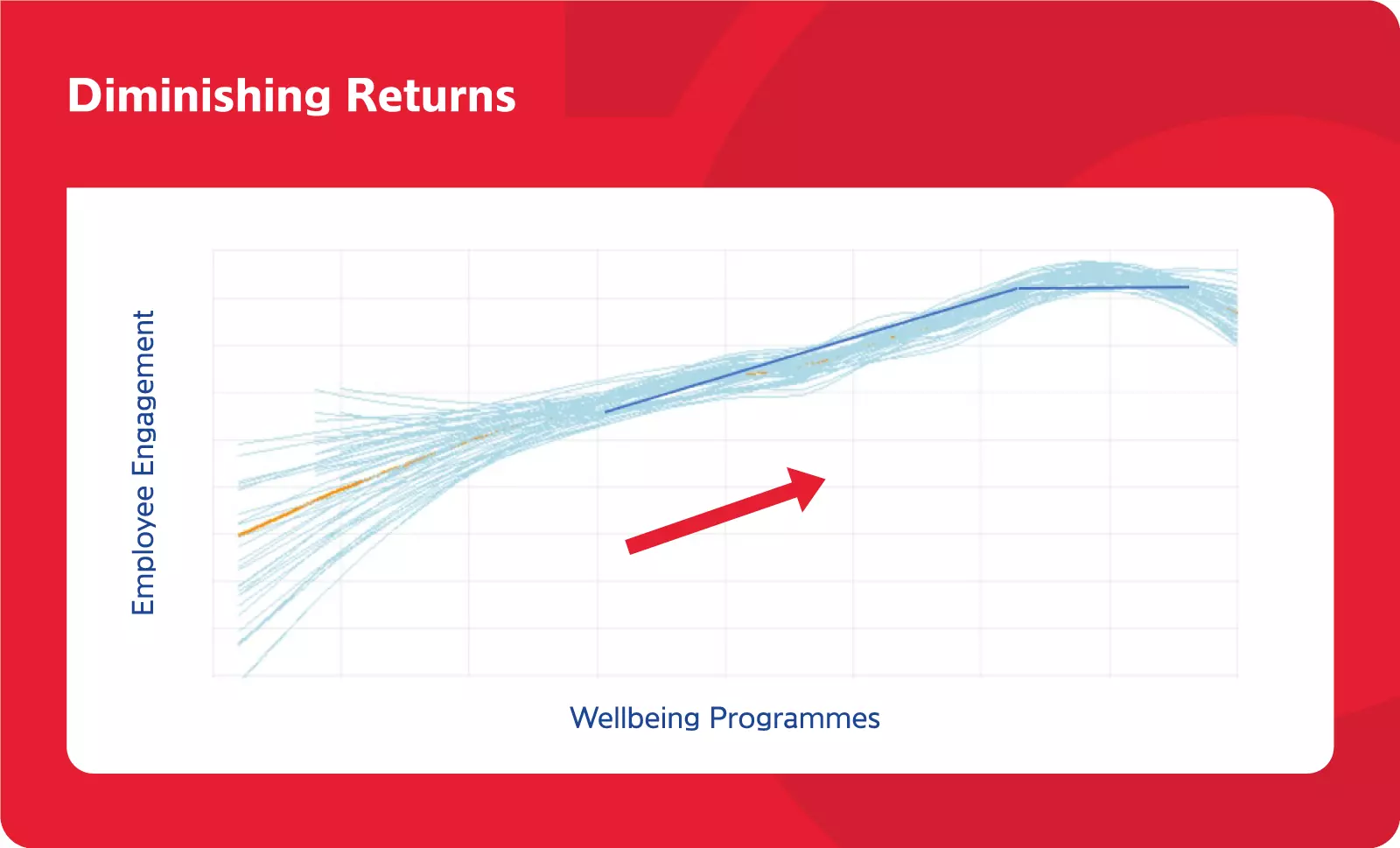
Most Top Employers actively promote their wellbeing programmes through organisation-wide strategy, assessment and metrics.
- Organisation-wide total wellbeing strategy. Nearly four in five (79%) organisations have a coherent overarching approach to all dimensions of wellbeing (up four percentage points since our last survey).
- Wellbeing programme assessment. Nearly three in four (72%) organisations regularly conduct an ’employee wellbeing needs assessment’ to identify employee needs, interests, likes and dislikes and adjust their offerings where appropriate (up five percentage points).
- Wellbeing metrics. We have also seen a significant increase in the use of metrics, with over two-thirds of our Top Employers consistently using them (68%, up eight percentage points), along with the accountability of over half (54%) of leaders to meet wellbeing targets (up seven percentage points).
With this, there may be specific wellbeing challenges for new demographics, which takes us to our final trend.
Trend 5: Broaden the Horizon of DEI
In the last year, diversity, equity, and inclusion (DEI) have also come under budgetary pressure, so organisations are looking for these initiatives to impact their workforce positively. In 2024, the tight talent market will grow as employers become more open to “non-traditional” candidates.
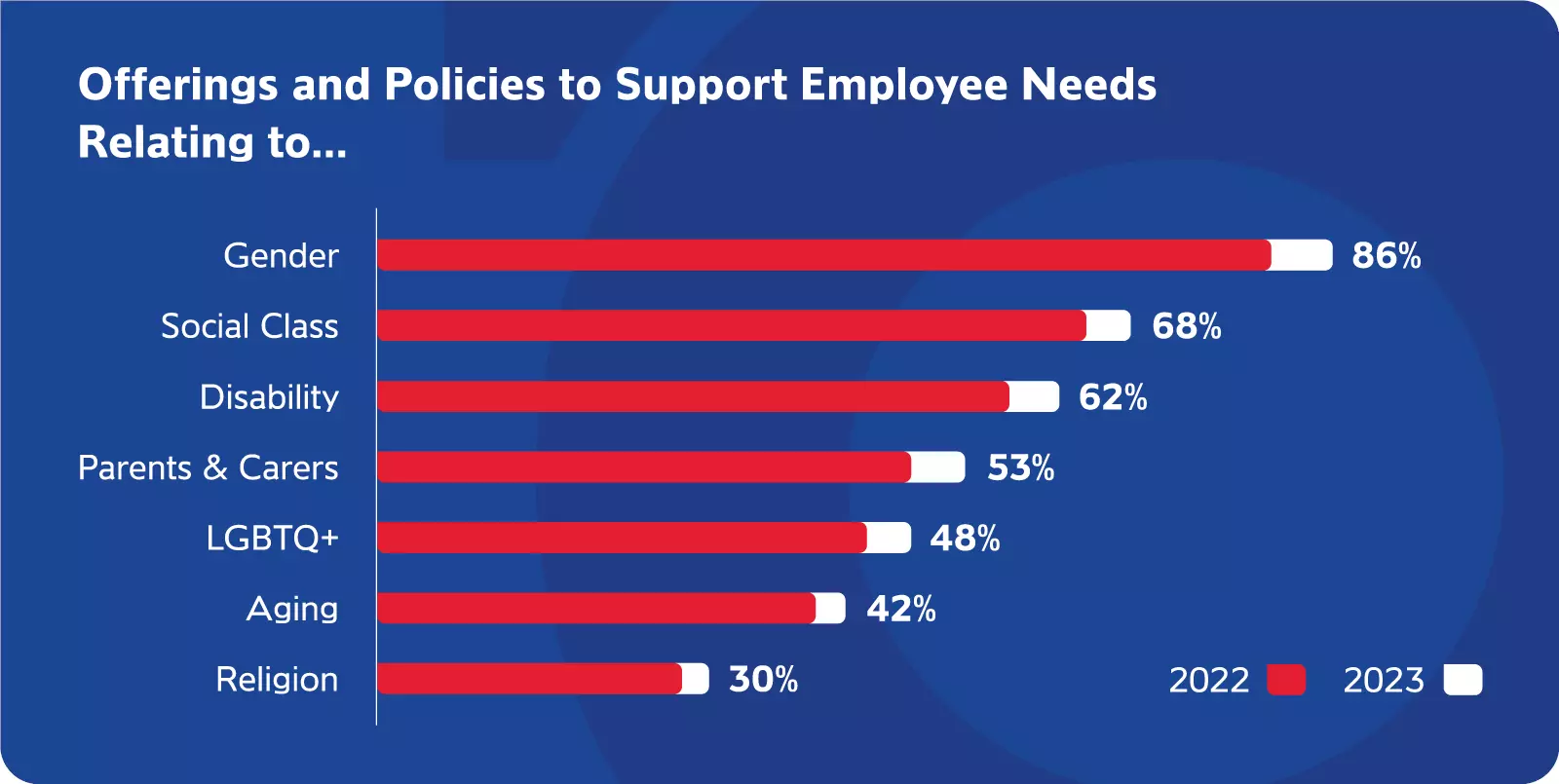
We think DEI approaches will change in three ways:
- The consideration of diversity will expand far beyond demographic segmentation. Whilst groupings, such as gender and race, will continue to be areas of focus, 2024 will see a shift towards a more nuanced approach to DEI. For example, expect the importance of neurodivergent talent (and its link to higher levels of creativity and innovation) to grow.
- DEI analytics and the metrics used will become more sophisticated. Not all demographics are straightforward to capture. However, we have learned from progress in gender representation that data is critical to improvement.
- The “majority” will be actively included in DEI strategies at some point in their career journey, with different experiences increasingly acknowledged. A more holistic inclusion strategy will likely be adopted to complement the ongoing targeted initiatives for under-represented groups.
Download a copy of The World of Work 2024 by filling out the form now.
How Generative AI is Impacting Personalised Learning and Development
Over the past few years, Human Resources professionals have begun to embrace several technological tools to assist in both short and long-term objectives at work. While Artificial Intelligence (AI) has yet to be integrated into many HR plans, this has been the year for HR professionals to learn more about generative AI’s capabilities and the effects it could have in the near future.
As seen already at the end of 2023, the integration of generative artificial intelligence could begin to reshape HR learning programmes by offering a dynamic and personalised approach to employee development.
In this article, we will be looking at what effects AI may have on HR, with a particular focus on how it may affect learning and development programmes.
Additionally, we will explore the potential benefits and challenges for HR professionals seeking to create a future-ready workforce.
What is Generative AI?
Generative AI is a subset of artificial intelligence that, unlike other AI systems, can autonomously create content, including texts, audio, code, images, text, simulations, and video.
In Human Resources, generative AI revolutionises processes by offering personalised solutions, streamlining tasks, and enhancing the overall employee experience.
We explored some ways that AI is changing HR and talent acquisition in a previous article that you can read now for more general context on the new relationship between AI and HR.
Personalised Learning and Development in 2024
In the annual World of Work Trends Report 2024, one of the significant trends we identified was that there would be a shift in how HR professionals understood learning and career development programmes.
That change would be a move towards a more personalised approach that would give employees more of an active and empowered role in advancing their careers, often through the use of digital and personal resources so that they can develop the competencies and skills needed for the future.
To make employee attain new skills more individualised, many organisations are developing digital employee experiences, with easily accessible and on-demand micro-learning tools to allow employees the opportunity to learn ‘just in time’ when needed.
Generative AI could empower HR learning programs to move closer to the personalised learning approaches we noted in the World of Work Trends Report.
This tailored approach ensures that employees receive the most relevant and effective training, enhancing their skill development and overall job performance.
How Generative AI Tools Could Impact Learning and Development Programmes
-
Improving Personalised Learning Paths:
AI in talent acquistion can be impressively useful,Generative AI algorithms can analyse individual employee insights, including learning preferences, strengths, and areas for improvement, to generate personalised learning paths. That work empowers HR learning programmes to move beyond one-size-fits-all approaches and move closer to the more individual training programmes that HR leaders hope to get.
-
AI-Powered Virtual Mentors and Coaches:
Generative AI is already giving rise to virtual mentors and coaches that could provide real-time guidance and support to employees. These AI-driven mentors can answer questions, offer insights, and provide personalised feedback, creating a virtual learning environment that complements traditional mentoring programs. This approach ensures that employees have access to guidance whenever needed, fostering a culture of continuous improvement.
-
Improving Adaptive Learning Modules:
Traditional training modules often follow a fixed structure, regardless of an individual employee’s learning speed and style. Generative AI can introduce adaptive learning modules that evolve based on an employee’s progress. By continuously assessing a learner’s comprehension and adjusting the difficulty level accordingly, HR professionals can optimise the learning experience and improve knowledge retention.
-
Gamification for Enhanced Engagement:
Gamification has proven an effective strategy for boosting employees’ engagement in learning programs. Generative AI can take gamification to the next level by creating personalised game scenarios based on individual employee profiles. By integrating elements of competition, rewards, and social interaction, AI-driven gamification makes learning more enjoyable and motivates employees to participate actively in their development.
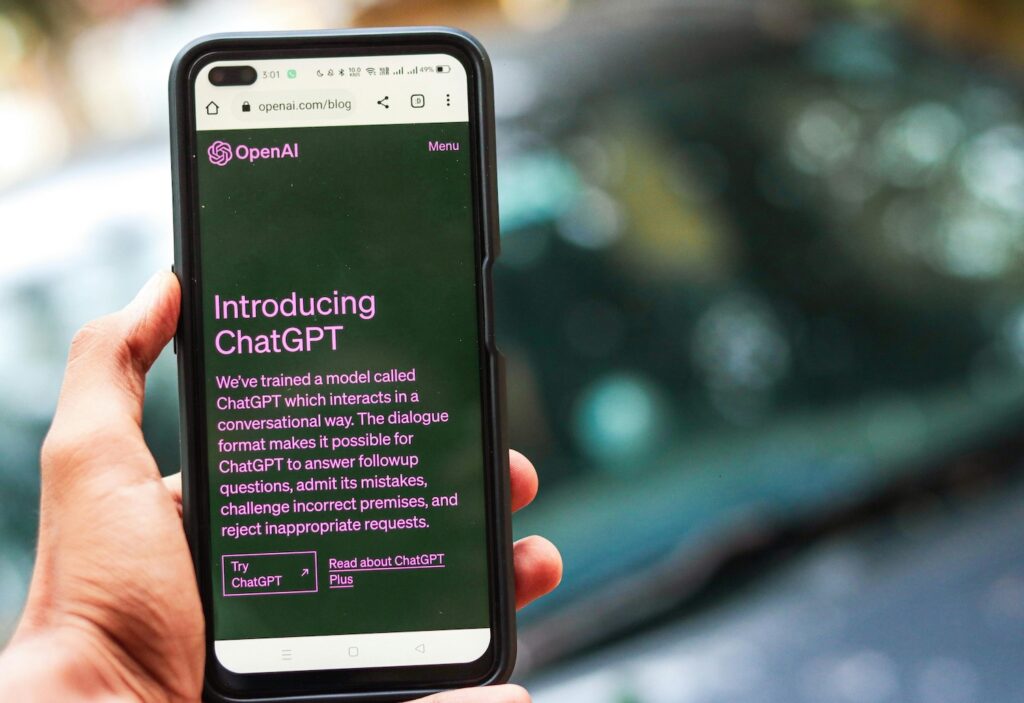
Challenges with Implementing Generative AI in Learning and Development Programmes
Generative AI in HR learning programs holds immense promise, but HR professionals must navigate potential challenges and ethical considerations. These include:
- Ensuring data privacy.
- Addressing algorithmic biases in learning recommendations.
- Employee trust and adoption.
- And maintaining a balance between automation and the human touch in the learning experience.
Ensuring Data Privacy
One of the most challenging aspects of implementing generative AI tools into an organisation’s strategy is the aspect of data privacy, especially as organisations are still relatively early in their adoption of AI tools.
As AI programmes rely heavily on collecting and analysing vast amounts of employee data to personalise learning experiences, HR professionals must establish robust data protection measures. HR leaders should ensure that they comply with data protection regulations by obtaining informed consent and adopting encryption protocols.
These are essential steps to mitigate the risk of unauthorised access or misuse of sensitive employee and organisation information.
Mitigating Algorithmic Biases
It should be common knowledge that generative AI systems are not entirely unbiased. In fact, they are only as unbiased as the data they are trained on. HR professionals need to be vigilant about potential algorithmic biases in learning recommendations.
If the training data used to develop AI models contains biases, the algorithms may perpetuate or even exacerbate existing inequalities. Regular audits of algorithms, diverse and representative training datasets, and continuous monitoring for bias are crucial to ensure fair and equitable learning opportunities for all employees.
Employee Trust and Adoption
Introducing generative AI into HR learning programs may raise employee concerns about job security, privacy, or the perceived objectivity of AI-driven decisions. HR professionals must proactively address these concerns through transparent communication and educational initiatives.
Building trust in AI technologies requires demonstrating their value, emphasising their role as tools for empowerment rather than surveillance, and involving employees in the process to alleviate apprehensions and foster a positive reception.
Balancing Automation and Human Interaction
While the automation capabilities of generative AI can significantly enhance the efficiency of HR learning programs, it is imperative to strike a balance with human interaction. Employees still value the human touch in learning experiences, and specific aspects of development, such as mentorship and interpersonal skills, may be better served through direct human engagement.
HR teams should carefully design AI-driven learning initiatives to complement, rather than replace, the essential human element in the learning journey.
Final Thoughts: Became an employer of choice to embrace HR AI trends before your competition
Generative AI in HR represents a significant leap forward in redefining the employee experience. Organisations can harness AI’s power to streamline processes, enhance employee engagement, and contribute to their overall success.
They must do this by being aware of the ethical practices and staying attuned to the evolving landscape.
Organisations can begin to navigate this transformative journey in the hopes of creating and maintaining workplaces that thrive in the digital age. By joining Top Employers Institute you will access a library of HR AI best practise and anticipate all its trends.
Get in touch today, become an employer of choice!
The Era of Personalisation: Customising the Employee Experience at SAP India
By Billy Elliot, Regional Director for APAC, Top Employers Institute
Today’s workplace culture is in the midst of an unparalleled era of personalised experiences. Employees, similar to customers, desire treatment that caters to their individual needs and preferences. This change has propelled employers to shift from a people-centric approach towards a more person-centric one. Undoubtedly, the pandemic profoundly impacted reshaping expectations, with many people reevaluating their priorities.
Data from the 2023 Top Employers Institute Certification Programme shows a striking trend among the over 2 000 certified companies across 121 countries. Remarkably, 74% have updated their employee journeys to accommodate remote work dynamics—a 6% increase from the previous year. The Asia-Pacific (APAC) region is the most advanced in this regard, with 66% of Certified Top Employers having successfully implemented formal remote work options.
As part of the 2023 Top Employers Inspire event, I had the pleasure of hosting a presentation about this topic by Rashmi Raghuraja, Senior HRBP Consultant/PMO to the Head of HR at SAP Labs India. SAP India stands out as a leader in creating tailored employee experiences. Rashmi shared how the company addresses its workforce’s personal needs to enhance the end-to-end employee experience.
Read More: David Plink on Innovation & Leadership in a Rapidly Evolving World of Work
The People Experience
SAP India’s People Experience Programme was created “so we have an inclusive environment where people can be who they are. They don’t have to pretend or leave parts of themselves at home,” Rashmi explained. The programme has five foundational pillars to support that mission:
- Pride: Fostering a sense of pride among employees, both in their association with the company and in their contributions to its success, to boost employee engagement.
- Purpose: Employees are encouraged to make connections between their daily tasks and the overarching company mission.
- Innovation: Sustaining innovation through providing resources and platform tools employees can use to create and collaborate.
- Appreciation: Each individual’s contributions are recognised as valuable to the company’s success.
- Care: Genuine care and respect for employees is consistently demonstrated, bolstering a sense of belonging and support.
Read More: Case Study | JTI’s Candidate Survey
Pledge to Flex
Providing autonomy over individual work schedules and habits was a priority as the company assessed its employee journey. “We have a real commitment to offering a flexible and trust-based work schedule,” said Rashmi. Feedback indicates they have successfully done so.
The 2023 SAP Future of Work Trend report revealed a whopping 77% of SAP employees feel empowered to determine when and where they perform their tasks.
They achieved such a high level of success by forming a group of employees to facilitate the transition, the Change Ambassadors Community.
This group functioned as a guiding force, coaching managers and teams as they navigated the shift towards flexible work arrangements. Rashmi described the HR team’s thought process, “We realised early on that this is going to be a journey of not just a few weeks or months. It’s going to take years.
We wanted to bring our employees along on the journey and have a bottom-up approach.” Pilot programmes and continuous feedback loops kept stakeholders engaged and enabled adjustments.
People Unplugged
Establishing a foundation of transparency and understanding within the company’s workforce was the motivation behind the People Unplugged Programme. Rashmi elaborated on this mission, “We wanted to have authentic conversations with leaders and offer a platform to debate, ideate, and collect feedback.” The first initiative was a six-part conversation series that engaged employees with company leaders.
All employees were invited to participate in these conversations featuring sensitive topics like performance management. Strikingly, 4,000 employees across India participated.
These sessions were an opportunity to engage in genuine discourse to shed light on why the organisation did certain things and potentially pave the way towards something new.
Ultimately, this series underscored SAP India’s commitment to creating a workplace culture that values open dialogue, mutual respect, and collective growth.
Download Now: Inspiring HR Practices from Asia-Pacific’s Top Employers
Career Canvas
In the wake of transitioning back to business as usual after the pandemic, the need to assist employees with the adjustment became evident. “One of the things we heard often was that people were feeling lost as they came back. They knew about different programmes, platforms, and tools but not how to find them,” Rashmi explained.
To address this concern, a series of brainstorming sessions were organised. These sessions included employees representing a variety of roles and career stages. The primary objective was to understand any gaps in support and identify what resources might be helpful.
Through this process, recurring themes were identified and served as focal points for taking action. As a result, two programmes were created:
- The Inspire Talk Series is a forum for insightful discussions,
- The Career Mentoring Programme supports individuals feeling indecisive about their career path.
To conclude the presentation, Rashmi emphasised that SAP India focuses on providing their employees with the best possible workplace. She quoted author Jacob Morgan’s book The Employee Experience Advantage to emphasise her point, “In a world where money is no longer the primary motivating factor for employees, focusing on the employee experience is the most promising competitive advantage that organisations can create.”
Check out Rashmi’s full presentation to hear more about SAP India’s innovative programmes and the organisation’s plans for new initiatives in the near future.
Putting People First: Top Employers Institute Shares Insights About Building a Human-Centric Organisation
By Wouter van Ewijk, Global Head of Brand & Content, Top Employers Institute
Human Resource departments frequently consider how to attract and retain top talent. Top Employers Institute is no different. Paola Bottaro, People Director at Top Employers Institute, has found the most success by putting people first. Notably, the organisation is not alone in this endeavour. Taking a human-centric approach to the workplace is a practice steadily gaining traction.
So, what does this move to a human-centric model entail? During the 2023 Top Employers Inspire event, Paola and I discussed exactly that. I’ll share highlights of our discussion for companies interested in joining Top Employers Institute as a human-centric organisation.
The Basics: What is a Human-Centric Approach?
Essentially, this approach to the workplace recognises and accepts that people are people. Organisations acknowledge that their employees are multifaceted individuals with lives beyond the office.
It’s about enabling employees to work in the best way that suits their needs and preferences, rather than requiring them to adhere to standard hours or procedures. Employees at different phases of life, a new parent versus a recently hired university graduate, for example, will likely have very different preferences for the rhythm of their workday. Allowing employees to determine their workday and workflow does not impact organisational results overall, yet it has a profound impact on each individual’s work experience.
For Paola’s team, realising that there was no one-size-fits-all solution for creating a great workplace was a turning point. Reflecting on this moment, she shared, “We had a lot of conversations about what way of working would be best and we came to the conclusion that everyone is different, and we all need different things. Who are we to decide what each individual needs?” They concluded that in an ideal workplace, everyone gets to define the best way to work for themselves.
Another turning point was adapting to a primarily remote workplace during the COVID-19 pandemic. This transition was smoother than anticipated, and productivity remained very high. Paola elaborated on their observations, “Everyone was very responsible and wanted to perform well.
Actually, I had to make sure people took care of themselves much more than making sure that they were doing their jobs.” Seeing how well the company ran while employees worked remotely was a valuable lesson that built trust. Going forward, the company had complete confidence in allowing employees to decide how they want to work.
Read More: World Mental Health Day 2023 Q&A with Marie-Soleil Ferland and the Health and Wellbeing Team at CGI Canada
The Practicalities: How Does a Human-Centric Approach Work?
Trust is a critical component of making a human-centric approach successful. Granting employees the ability to set their work dynamics, whether that involves unconventional hours or regular breaks, requires a high level of trust that employees will continue fulfilling their responsibilities to the best of their ability, even without constant supervision. The focus is on outcomes, prioritising results above all else.
Top Employers Institue’s company culture fully embraces a human-centric approach with its three core values:
- We are all professionals.
- All professionals want to be successful.
- We succeed when we achieve great things while taking care of our own wellbeing and each other.
That teams communicate about everyone’s needs and preferences is critical. As our conversation progressed, Paola gave a simple example that Top Employers Institute does not want employees to pretend to be available during traditional working hours if they are not. She explained that this freedom also benefits managers, “They don’t have to think about motivating their teams anymore. The core belief is that all professionals are intrinsically motivated to be successful.” Transparency about who is doing what and trust in employees to fulfil their responsibilities improves operations.
Although trust and open communication are generally recognised as positive values, translating them into practical action can be a challenge because doing so requires a shift in mindset. Top Employers Institute, like many organisations, was forced to try a new way of working during the pandemic.
The success of this experiment gave management the confidence to use a human-centric approach even after pandemic-related safety restrictions were lifted. Organisations that have not had the opportunity to test drive a new working model may struggle with transitioning from employees coming into the office every day during the same hours to people working from home at hours of their choosing. Embracing the values of trust and open communication in new ways needs to happen at all levels of the organisation for a human-centric approach to truly succeed.
If an employee is not performing well, the first step is to have a conversation. “Success is defined not only by great results but also by people’s wellbeing, which is a responsibility and not something that can be left to chance,” said Paola. Considering the complete picture of an employee’s life while navigating challenges is a central tenet of a human-centric approach.
Read More: The Transformative Power of Applied Artificial Intelligence
The Impact: What are the Benefits of a Human- Centric Approach?
This approach gives employees the best possible work life, which fosters loyalty and productivity. It also creates great returns. Through this approach, organisations can:
- Attract talent,
- Improve retention, and
- Foster a culture of growth and internal mobility.
These benefits contribute to a positive atmosphere and help a company’s bottom line by attracting and keeping top-tier talent.
Top Employers Institute is in the process of hosting workshops with employees to discuss both the company’s and individual employee’s values. “The most important thing is that we left one open space in our company values for employees to fill. There are three company-wide values and the fourth is for each employee to fill with their personal value. It’s an opportunity for them to connect their personal values and sense of purpose to the company,” Paola said of the process.
Ultimately, a human-centric approach forges meaningful connections between a company and its workforce. By giving people the autonomy to work in a way that suits their needs best, organisations reap great returns. This approach truly benefits both the company and its employees.
To hear more about Top Employers Institute’s journey to becoming a human-centric organisation and the lessons learned along the way, watch my full conversation with Paola below.
World Mental Health Day 2023 Q&A with Marie-Soleil Ferland and the Health and Wellbeing Team at CGI Canada
World Mental Health Day 2023 Q&A with Marie-Soleil Ferland and the Health and Wellbeing Team at CGI Canada Earlier this week, on the 10th of October, we acknowledged World Mental Health Day. The day is a moment to give extra attention to issues around mental health. This year the WHO theme for the day is ‘Mental health is a universal right’ and we are hoping to raise awareness and knowledge about mental health by highlighting how organisations can support their employee’s mental health throughout October.
To recognise the efforts of Top Employers were lucky to have a Q&A interview with Marie-Soleil Ferland and the Health and Wellbeing Team at CGI Canada. We were honoured to get an insight into their efforts around wellbeing and mental health in their organisation.
CGI Health & Wellbeing Team Introduction
CGI wholeheartedly acknowledges that the wellbeing of its workforce stands as the bedrock of its success. We hold in the highest esteem a culture deeply rooted in mental health awareness, a commitment that transcends mere obligation, forming an integral facet of an ecosystem that fosters personal and professional flourishing.
These recent years have brought upon us an array of unprecedented challenges, compelling us to adapt, evolve, and unearth new ways to connect and thrive. At this juncture, never before has CGI placed such a high priority on mental health as we proudly do today.
On World Mental Health Day, we, at CGI, once again stand with unwavering pride as we pay homage to the mental wellbeing of our invaluable workforce. We celebrate the resilience of our esteemed members and the nurturing spirit of the compassionate community that we have ardently cultivated for over two decades now. Together, we break barriers, dismantle stigma, and forge a brighter, healthier future.
As part of this year World Mental Health Day, celebrated on October 10, it’s important to remember that everybody has mental health, regardless of race, gender, age, ethnicity, sexual orientation, disability, etc. For some, it can be challenging to know or realize when to reach out for help.
——————————————————————————
Read More: Mental Health Q&A: Bentley
We celebrated World Mental Health Day on 10 October. The theme for 2023, set by the World Foundation of Mental Health, is ‘Mental health is a universal human right’, so we were honoured to ask CGI Canada the following questions:
Which organisational values that you hold help you to embed mental health as a right for all employees? And how do these values show up in day-to-day actions?
Workplace Health & Wellbeing
- A dedicated Oxygen Centre of Expertise with 50 professionals globally willing and able to support partners and employees as needed.
- Promote a culture of compassion through skill building, empathy, and empowerment to reach out to those showing signs of difficulty.
- From prevention to return to work following a disability, support our employees, managers, and the organization on global health topics (physical, mental, social, financial) to optimize individual and collective wellbeing and organizational performance.
- Use Mental Health Minute Program cards to raise awareness and open conversations (see more information at question 5)
- Comprehensive Health Platform for all employees: Oxygen Portal
- Free Telemedicine Service for all members and their family
- Free 27/7 EAP support for all members and their family
- In-house wellbeing consultations that focus on prevention, identification, and mitigation of psychosocial risks
- In-house wellbeing interventions that promote staying healthy and thriving at work.
Our values
- Consistent with CGI dream of creating an environment in which we enjoy working together, our Core Value of Respect and our Code of Ethics and Business Conduct, CGI is committed to fostering and maintaining professional workplaces that respect the dignity of all members.
- Offer mental health support through the Mental Health First Aiders network and leadership by promoting a stigma-free environment to discuss mental health.
- Hold public authentic conversations using panel discussions around various psycho-educational topics that breakdown barriers and drive respectful conversations around sensitive issues.
- Develop culturally sensitive and equity deserving group sensible health and wellbeing material.
- CGI is committed to the prevention of workplace incidents, injuries, and illnesses, and is ultimately responsible for ensuring a physically and psychologically safe and healthy work environment for all members. CGI will guide the development of individual performance and learning plans to achieve organizational goals while promoting members’ physical and psychological wellbeing in an active effort to reduce harm to their health and safety.
- Health and safety committees
- Health and wellbeing committees
- +120 employees-volunteers – Mental Health First Aiders willing and able to support employees in the workforce.
- Health and Safety Policy and processes including a working alone management rule.
- Health Crisis Protocol for psychological and/or physical emergency situations.
Inclusion:
- Creating a welcoming and diverse workplace environment free of discrimination and harassment underpins everything we do. We aim to foster a culture of belonging where everyone is inspired to grow and empowered to succeed with a shared sense of purpose. We believe this starts with creating an environment where every voice is heard, and respected and different ways of thinking are welcomed. Diversity of thought, backgrounds, experiences, and skills empowers us to share ideas and drive innovation. At the same time, ensuring everyone feels included raises morale, creativity, and productivity among our members, helping them reach their full potential. Through stakeholder communications, we continuously reinforce that diversity, equity, and inclusion are clear, prominent, and inherent parts of the CGI culture.
- Cultivating inclusive language (i.e., inclusive pronoun and gender language in employee representative surveys, providing gender transitioning support, and accommodations for physical, mental or cognitive support needs).
- Upskill leaders and HR around neurodiversity.
- Upskill leaders and HR around supporting members who are transitioning.
- Provide inclusive benefits
- Flexible work policies
- Affinity groups and allyship
- Mental health support that is sensitive to cultural differences and experiences
- Accessible technology for those who require accommodations.
- Inclusive hiring practices
- Conflict resolution and support interventions
Diversity:
- Creating a culture of belonging requires conscious and intentional effort. Our DE&I strategy is foundational to the growth and success of our company. It provides a framework for cooperation that empowers our members to show up as their complete, authentic selves at work. We are committed to driving positive cultural change by increasing diversity in our workforce and embracing the differences in race and ethnicity, gender and gender identity, sexual orientation, socio-economic status, language, culture, national origin, religious commitments, age, and disability status, and the intersectionality of one or more of these characteristics. Moreover, we recognize that it is every individual’s right to work in an environment free of sexual, psychological, and racial harassment.
- DE&I is endorsed at the highest level in the company by the CEO and the Executive Committee of CGI. Oversight and accountability for DE&I is a shared responsibility with global and local steering committees to set direction, report on progress and approve programs and initiatives. DE&I is embedded in the annual business plans for each Strategic Business Unit. The Code of Ethics and global and local policies create the framework to protect our members, clients, communities and CGI and ensure compliance with all applicable requirements. Beyond our formal governance, we have an engaged group of global DE&I experts, champions and advocates who support our DE&I vision every day. This broader community is essential to amplify the reach of our DE&I activities and increase the engagement of our members.
- Diverse representation
Read More: How Organisations are Reshaping their Work Environments to Promote Mental Health
World Mental Health Day 2023
At CGI, there are a variety of free resources to help our members prioritize their mental health and offer additional support when they may be struggling. They can access free mental health resources in the Mental Wellbeing Toolbox on our internal health & wellbeing portal, contact a Mental Health Champion, or consult with our Member Assistance Program for professional support. As part of this campaign, a publication will be made on the CGI LinkedIn account to celebrate and highlight the CGI community that is involved in mental health support and the overall holistic health of our members. CGI’s health experts gathered testimonials from members within the Mental Health Champion network and the Health & Wellbeing Committee by asking the question, “Why is supporting mental health in the workplace important to you and your colleagues?”. You will find the testimonials shared on October 10 and will be able to use the hashtag #CGIMentalHealthMatters to find other mental health stories shared by CGI members, and to share your own.
How have your mental health programmes evolved in the past year? Are there aspects that have moved up the priority list and/or taken on greater urgency? In response to the ongoing challenges posed by the pandemic and its impact on chronic stress, isolation and domestic violence, our mental health programs have evolved significantly in the past year. We have placed additional emphasis on addressing the reactive aspect of the mental health continuum. This means that we have augmented our efforts to provide immediate and responsive support to individuals who are experiencing acute mental health challenges, such as stress, anxiety, trauma, or burnout. Recognizing the heightened need for timely interventions, we have developed and implemented targeted initiatives designed to assist members in managing and coping with punctual stressors. These measures have allowed us to better address the immediate mental health needs of our workforce, ensuring that they receive the support and resources necessary to navigate these challenging times effectively avoiding potential deterioration or illness.
Aspects that have moved up in priority and taken on greater urgency:
- Substantial increase in mental health coverage for our members and their families.
- Expanding our internal Mental Health First Aid network by offering and covering the cost of certification to all interested volunteer members.
- Hiring of an Organizational Mental Health Specialist to further expand internal services and interventions.
- Health crisis protocol to upskill HR professionals and leaders in assessing an imminent and critical health risk in an employee, predominantly in a virtual setting, and responding to the risk as deemed appropriate using external resources.
- Domestic and family violence program to develop organizational awareness, respond by providing support and accompanying employee victims to adequate and necessary resources.
- Neurodiversity Affinity group and program to cultivate an inclusive, collaborative and supportive CGI community by fostering awareness around neurodiversity, building internal knowledge, advocating for supportive practices, and building internal and external partnerships that promote best inclusive practices.
- In-house Interventions (stress management, sensitivity coaching, conflict resolution, climate assessment, etc.) facilitated via our internal Workplace Mental Health Specialist.
- Revision of CGI’s Presence at Work Program
- Always ensuring the presence and visibility of a group of more than 120 volunteer Mental Health First Aiders ready to support any member in need during our trainings or psychoeducational sessions or initiatives.
- Additional Family Support: Upgrades in our Telemedicine program, EAP services and benefits coverage to improve all services related to mental health support & access for employees and their family.
Read More: Embracing Diversity and Improving Inclusion: Making LGBTQ+ Inclusivity a Part of Company Culture
How have mental health programmes and initiatives been impacted by more flexible, hybrid and remote forms of working? What have you had to do differently? The shift to a more flexible workplace and openness to virtual work has acted as a catalyst for fostering greater inclusion and accessibility in our organization, creating a more accommodating and supportive environment for neurodivergent and equity deserving groups within our workforce. The transition to virtual work has created a more inclusive environment by levelling the playing field for employees who may have previously faced challenges in traditional office settings. Neurodivergent individuals, for instance, have found the virtual work environment to be more accommodating, reducing sensory overload and anxiety that can be associated with physical office spaces. Additionally, remote work has enabled employees to tailor their workspaces to their specific needs, allowing for greater comfort and reduced distractions. This flexibility has not only benefited neurodivergent individuals but also other equity-deserving groups who may have faced barriers in the traditional office setting due to various factors, including commuting challenges, accessibility issues, or caregiving responsibilities. One significant shift we’ve made is toward virtual facilitation of trainings and interventions. This transition has proven highly beneficial as it enables us to intervene more rapidly and on a broader scale across the organization. In fact, by leveraging virtual platforms, we can extend our reach to cover a much larger population than would have been feasible with in-person programs alone. This approach not only aligns with the evolving work landscape but also allows us to be more agile and responsive in addressing mental health needs throughout the organization.
Read More: How Saint-Gobain Prioritises New Ways of Working into their Company Culture
How have you ensured that your managers are reinforcing mental health as a right for all employees? And are they trained to recognise and address mental health issues in their teams?
Yes, we have implemented an internal training program known as “Leading Healthy Teams,” which is specifically designed to equip our managers with the skills necessary to identify signs of mental health challenges and appropriately respond to them. Additionally, we have developed a quick-reference tool in the form of a cheat-sheet, readily accessible through our online Health platform, the “Oxygen Portal” within the “Leaders Toolbox” section.
In conjunction with these mandatory training initiatives, we have consistently offered various additional learning opportunities to our leaders over the past years. These include specialized training modules covering topics such as Resilience at Work, Burnout Prevention, Stress Management, Work-life Balance, and Self-Care for Leaders. These programs collectively enable our managers to reinforce mental health as a fundamental right for all employees while equipping them with the knowledge and tools necessary to effectively address mental health issues within their teams. Our leaders are also encouraged to take part in Mental Health First Aid certification. We are proud to share that over 46% of our mental health ambassadors hold management positions at CGI. Thus, it’s fair to say that mental health at CGI is an integral part of our operating culture.
How do you create psychological safety for employees to feel they have a right to speak up about their mental health concerns, without worrying about how it will affect their careers?
- Destigmatize mental health:
- Leadership upskilling and training around courageous conversations and authenticity
- Discussion Panels such as Mental Health For All
- Leaders speaking openly and publicly about their challenges with mental health including burnout, suicidality, domestic violence, neurodiversity, etc.
- The Mental Health Minute Program
- Equips all our leaders and members with Mental Health Minute “cards” that they can use to kick-off every team meeting
- Encourages leaders, and members, to take advantage of a moment of openness with their team to discuss common challenges and normalize topics surrounding health and wellbeing
- Provides authenticity and empathy building opportunities through sharing real-life experiences and examples.
- Upskills leaders and members on day-to-day actions that can be put in place to support their health.
- Psychoeducational awareness through interactive learning sessions, newsletters, CGI’s health & wellbeing portal, wellbeing consultations and various communication channels
- Mental Health Champion Network
- Network composed of more than 120 CGI members who have volunteered and received a Mental Health First Aider certification training offered by the Mental Health Commission of Canada
- Aiders are available to respond to requests or calls from members in need by initiating a caring conversation through dialogue, accompanying them to help defuse a situation, and guiding them to the right resources and support.
- Neurodiversity Affinity Group
- Sharing how to open to a leader about a neurodivergent trait.
- How to respond as a leader to show support
- Ensure promotional practices that foster and support diversity and inclusion.
- Socialize accommodation program for any member regardless of job role.
- Assess and mitigate psychological risk factors within teams who are struggling.
- Team wellbeing assessments
- Mediation
- Trauma debriefs.

About Marie-Soleil Ferland
HR Director
Health & Well-being, CGI Canada
Passionate leader of CGI Canada Occupational Health and Well-being HR Center of expertise. She is responsible for the development of innovative organizational health offering, their implementation, and their measure of success. She sits on human resources committees to effectively integrate workplace health into business strategies. Her mission is to optimize not only the overall well-being of employees but also to encourage meaning at work, inclusion, and organizational performance. She provides ongoing consulting services to HR teams and leaders. She holds a bachelor’s degree in health sciences and a graduate certificate in nutrition. In addition to numerous specific training sessions on occupational health, psychosocial risks, and protective factors, she is certified in Mental Health First Aid, Workplace First Aid and Behaviour Change Interventionist. Her caring and inclusive leadership is recognized by her peers.
Read More: The Lasting Impact of Burnout
“We strongly believe in the power of sharing and inspiring each other and others”
Benchmarking and sharing best practices are essential for all Top Employers to keep evolving and improving their HR strategies. At Luminus, we strongly believe in the power of sharing and inspiring each other and others — it’s a fundamental part of who we are as a company. It should therefore come as no surprise that “All together” is one of our corporate values.
How do you share successful practices and processes (with other Top Employers)?
At Luminus, we encourage our employees in sharing their knowledge and innovative solutions as well inside as outside the organisation.
In June, we had the opportunity to host a Top Employers sharing session in-house on the importance of SDG’s in employer branding.
Bringing together a group of HR specialists to reflect on the war for talent and how integrating SDG’s can help to attract the “right” employees, was a true enriching experience.
We inspired other top employers on our successful Generation Zero campaigns. Our employer brand for young professionals in which we focus on attracting those who want to contribute actively to our companies purpose: building a CO2-neutral energy future together.
An ambition which resonates to many young graduates in various disciplines, all determined to make a difference : young graduates, young IT talents and young tech talents.
How does the Top Employer seal help us in attracting young professionals?
The Top Employer seal plays a vital role in attracting young professionals to our company. It serves as confirmation and reassurance that we have processes and leadership in place to support their professional growth, while also prioritizing their work-life balance and health & safety.
Our HR strategy, vision, policies & processes keep evolving thanks to TE insights & benchmarking.
As an open-minded, positive and caring company, we foster a supportive and inclusive environment where everyone’s contributions are valued and respected. We want our employees to feel “at home” so they can be the best version of themselves. However, Top Employer results & benchmarking insights showed us that there was still room for improvement in the area of Diversity, Equity, and Inclusion (DE&I).
In response, we’ve made DE&I a dedicated HR focus for 2023, defining a DE&I vision, gaining insights from our employees and other companies and implementing processes to objectively evaluate and continuously optimize our DE&I strategy, initiatives and actions.
Our Luminus HR baseline is clear : we do what matters, we catch the moment & we challenge ourselves.
TE has been a valuable partner over the past 11 years in supporting our team in achieving this continuous and challenging mission.
Inspiring HR Practices from Asia-Pacific’s Top Employers
Are you ready to unlock a world of innovative HR practices and transformative ideas? Look no further! We are thrilled to present our ebook, “Inspiring HR Practices from Asia-Pacific’s Top Employers,”
In this comprehensive resource, we have curated insights and best practice examples from a select group of our esteemed Top Employers in APAC.
These organisations have not only raised the global standard of HR excellence but also set the benchmark for others to follow.
Download the ebook now to uncover valuable insights. Here are some highlights from the ebook:
- Diversity, equity, and inclusion – Discover how Avanade partnered with the Autism Resource Centre (ARC) Singapore to train adults on the autism spectrum with digital skills and provide them with full-time technical roles. Learn how this initiative contributes to large-scale digital transformation projects at organisations in Singapore.
- People strategy – Explore Boehringer Ingelheim’s cultural framework called FOCUS, which defines their purpose and serves as a guide for their day-to-day work. Gain insights into how this framework supports their business objectives and is interwoven throughout the entire organisation.
- Strategic Employer branding – Learn about PUMA’s commitment to creating a premier workplace by developing a set of Employer Values that align with the actual employee experience. Discover how these values contribute to PUMA’s mission of becoming the fastest sports brand in the world.
- Purpose & values – Dive into DHL Express’ annual Employee Opinion Survey (EOS), which allows employees to voice their opinions, share feedback and insights, and help shape the DHL culture. Understand how this survey helps create an inclusive and comfortable working environment while also identifying areas for improvement.
- Talent acquisition – Explore MCC Singapore’s strategic talent acquisition approach, which focuses on attracting and developing competent leaders, executives, and specialists in alignment with their organisation’s sustainability goals. Discover how this approach ensures a strong leadership and talent pipeline.
- Onboarding – Learn about Saint-Gobain Sekurit’s New Hire Orientation programme, designed to help new employees adapt to their roles effectively. Discover the three-phase programme that ensures new hires are ready for the company, its culture, and their specific job requirements.
- Organisation & change – Explore Sampoerna’s adoption of a Leadership Model and the Three Hands philosophy, which empower individuals’ growth and support internal transformation. Learn how these approaches create an inclusive working environment and drive high performance.
- Learning & Development – Delve into the TCS’s innovative continuous learning culture, designed to empower employees to drive their own career development. Explore the diverse ecosystem featuring various learning formats, democratizing skills and talent, which ensures individuals are not just ready for roles, but are future-ready for evolving careers.
- Rewards & Recognition – Discover SAP’s internal Compensation Assistant Tool launched in April 2022, allowing employees in India to view their pay-range. This initiative has significantly boosted employee engagement and trust, clarified compensation paths, dispelled misperceptions about rewards, and reinforced the fairness and equity of decision-making processes within SAP
These are just a few examples of the invaluable insights you will find in the ebook. Download your copy today to unlock a world of innovative HR practices and transformative ideas that will help you excel in the dynamic field of human resources.