Key Takeaways | World of Work Trends 2024
Top Employers Institute’s World of Work Trends 2024 analyses the latest trends in people strategies and practices from leading organisations globally. The report, which came out recently, is available to download now. The report showed the five most significant global workplace trends in 2024. Those trends are:
- Empower through AI
- The Future Defined with Purpose
- Dialogue for Transformation
- Evolution of Wellbeing Effectiveness
- Broaden the Horizon of DEI
The release of our annual World of Work Trends 2024 was followed by an online live briefing on the 7th of December 2023, with Quinten van Es and Emily Cook delving deeper into the trends. In their discussion, they touched on real-life examples of the trends and broke down the tactics organisations will need to take in 2024 to succeed.
If you missed out on the session, you can watch it now by filling in the form on the side of the page.
Make sure to unlock the core HR trends affecting organisations across the globe. Watch the session now.
World of Work Trends 2024
Top Employers Institute’s World of Work Trends 2024 analyses the latest trends in people strategies and practices from leading organisations globally. In the report, our analysis showed five significant trends affecting workplaces in 2024. Those trends are:
- Empower through AI
- The Future Defined with Purpose
- Dialogue for Transformation
- Evolution of Wellbeing Effectiveness
- Broaden the Horizon of DEI
Read more about each trend in our article below or get in-depth insights by completing the form on the left and downloading the report for free.
The speed of innovation in AI has opened doors to a revolution in how we work. The shifting cultural landscape has enabled leaders and employees to drive meaningful societal impact. And the growing awareness of different identities and wellbeing needs has made inclusion non-negotiable. The organisations that will be most successful in this new world of work capture these opportunities purposely, thoughtfully, and ethically.
The sweeping global financial, technological, and political changes that have been happening worldwide will bring attention to people’s complexities and unique value. The year 2024 will see people firmly recentred at the heart of the workplace – and the five key trends of the coming year reflect the growing realisation that whilst AI will support and optimise, the real competitive advantage is found in the creativity, passion, and partnership between employees.
Trend 1: Empower through AI
The release of ChatGPT in November 2022 prompted a wave of excitement about the potential of generative AI and considerable concerns about its impact on employment. As we enter 2024, the conversation will become more grounded. Organisations will look to implement more ethical stewardship of their potential in the year ahead and start with a clear vision for human-AI synergies.
Many organisations are still in the exploratory stages with AI, and in 2024, the discussion will shift from what you can do with AI to what you should do with AI. An ethical framework for AI adoption will, therefore, become central to HR Digital strategies – and we see this happening in three ways:
- Organisations take a responsible approach to how data is used to track employee behaviour or sentiment. HR leaders must prioritise AI’s ethical, explainable, and transparent roll-out.
- HR will see how technology can be used and deployed around the employee experience. When poorly implemented, AI could cause employees to lose a sense of meaning in their work.
- HR will look to see how AI can support, rather than challenge, the interaction between humans. Humans want to work with humans. And whilst AI offers HR innovative new routes to tracking and personalising offerings, face-to-face contact will become a greater imperative.
How will organisations begin to do this? The answer starts with leaders, the subject of our next trend. You can find more details on this trend by downloading the full report now.
Trend 2: The Future Defined with Purpose
Last year, in the World of Work Trends Report 2023, we predicted the growing importance of a “lived” purpose – one that comes straight from the heart of all those who work. This sense of purpose will remain a constant in their everyday decisions. More recent research conducted by Top Employers Institute shows that organisations will only see the benefits of a solid organisational purpose if they have the right leaders to bring it to life.
Purpose-driven leadership is critical to success. So, what do employees want from their leaders in 2024?
- On big-picture issues, they want leaders to be situated in the real world, speaking about real-world problems, just as their employees would. They should think beyond immediate business concerns to offer more to their employees.
- Empathy is also at the heart of purpose-driven leadership. Leaders will need this trait as much as their business acumen in the coming year.
Empathy requires a genuine two-way dialogue. Leaders must listen more – employees expect an authentic voice in important decisions.
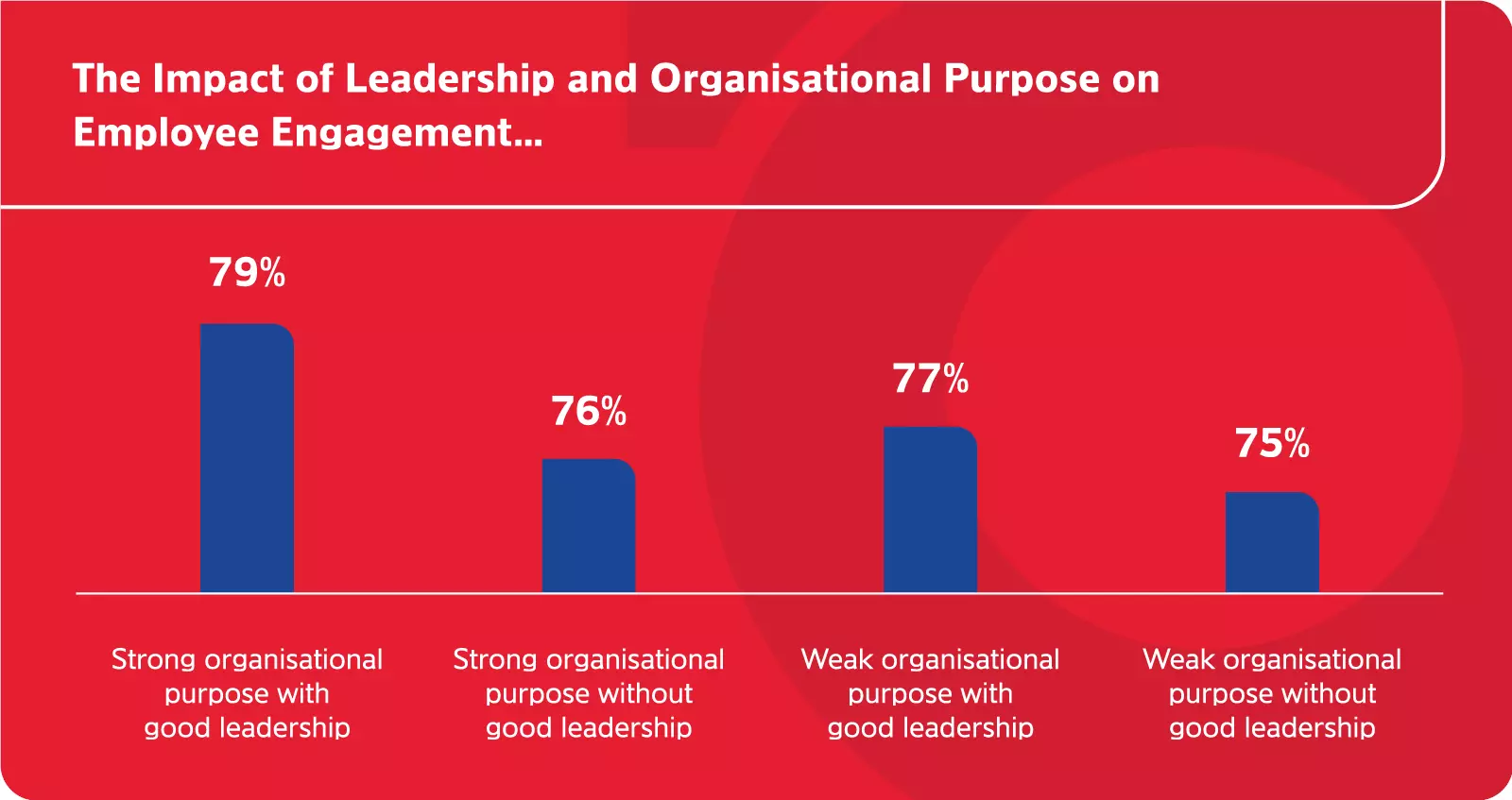
Organisational purpose is an evolving and collaborative process that demands the commitment of every employee. That leads us to our third trend. You can find all the details about this trend and more in the complete report. Download it now!
Trend 3: Dialogue for Transformation
Employees who feel genuinely listened to by the organisation are more likely to be engaged, and organisations orchestrating meaningful employee dialogues are reaping the benefits. Our latest Top Employers data shows that almost every HR practice encouraging employee involvement in strategic decisions helps to drive business success metrics.
A Dialogue for Transformation has two elements:
- On an individual level, employees need to see their input applied practically in business decisions – those who feel empowered to influence how their work gets done experience far higher performance levels and job satisfaction.
- Beyond the individual, collective intelligence describes the alchemy that happens when diverse perspectives meet collaboratively. It represents the sum of individual intelligence and the additional innovation sparked through their combination.
Empowerment plus collective intelligence has helped to drive new ideas for organisations, often above and beyond the scope of regular day-to-day business.
Moving the needle on what matters will demand ever closer and more constant conversation with employees. Transformational dialogue will be foundational for the last two trends. Download the full report to find out more.
Trend 4: Evolution of Wellbeing Effectiveness
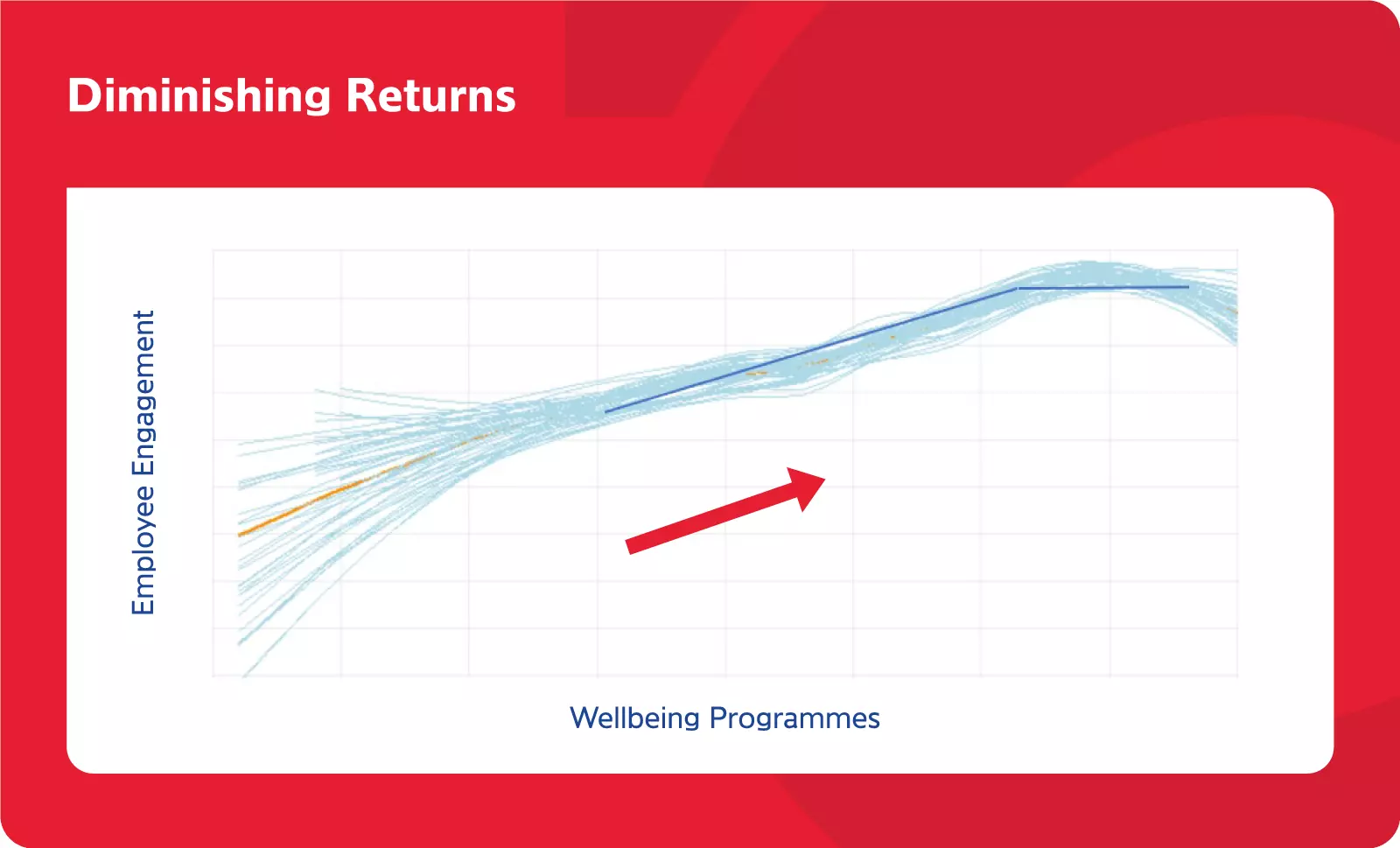
Many organisations struggle to balance their HR budgets while still trying to enhance employee wellbeing. In 2024, therefore, wellbeing will be about getting the most suitable offerings, not the most. Research carried out by Top Employers Institute last year demonstrated that additional wellbeing programmes provided little or no additional benefit to employees beyond a saturation point.
Most Top Employers actively promote their wellbeing programmes through organisation-wide strategy, assessment and metrics.
- Organisation-wide total wellbeing strategy. Nearly four in five (79%) organisations have a coherent overarching approach to all dimensions of wellbeing (up four percentage points since our last survey).
- Wellbeing programme assessment. Nearly three in four (72%) organisations regularly conduct an ‘employee wellbeing needs assessment’ to identify employee needs, interests, likes and dislikes and adjust their offerings where appropriate (up five percentage points).
- Wellbeing metrics. We have also seen a significant increase in the use of metrics, with over two-thirds of our Top Employers consistently using them (68%, up eight percentage points), along with the accountability of over half (54%) of leaders to meet wellbeing targets (up seven percentage points).
With this, there may be specific wellbeing challenges for new demographics, which takes us to our final trend.
Trend 5: Broaden the Horizon of DEI
In the last year, diversity, equity, and inclusion (DEI) have also come under budgetary pressure, so organisations are looking for these initiatives to impact their workforce positively. In 2024, the tight talent market will grow as employers become more open to “non-traditional” candidates.
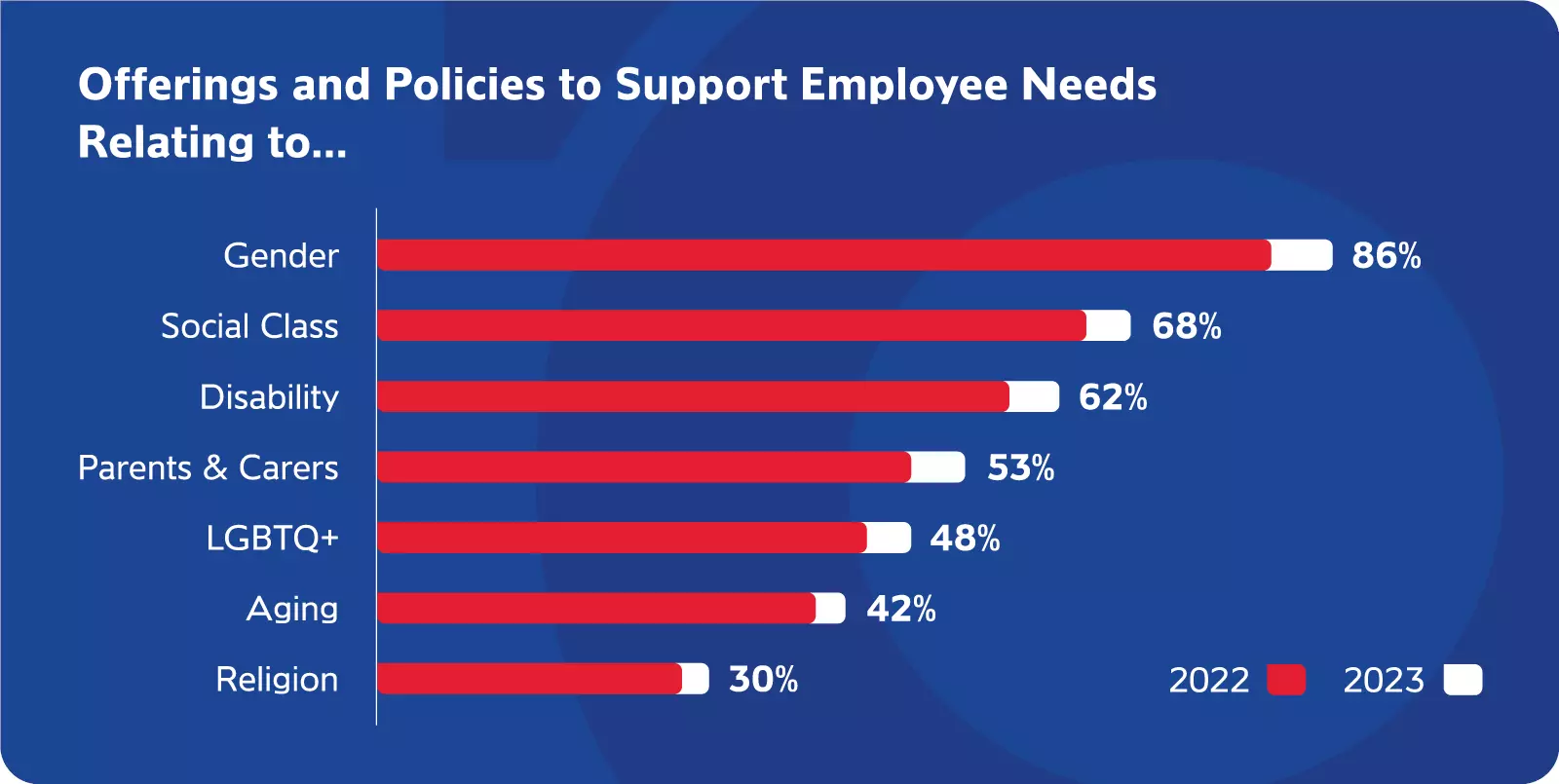
We think DEI approaches will change in three ways:
- The consideration of diversity will expand far beyond demographic segmentation. Whilst groupings, such as gender and race, will continue to be areas of focus, 2024 will see a shift towards a more nuanced approach to DEI. For example, expect the importance of neurodivergent talent (and its link to higher levels of creativity and innovation) to grow.
- DEI analytics and the metrics used will become more sophisticated. Not all demographics are straightforward to capture. However, we have learned from progress in gender representation that data is critical to improvement.
- The “majority” will be actively included in DEI strategies at some point in their career journey, with different experiences increasingly acknowledged. A more holistic inclusion strategy will likely be adopted to complement the ongoing targeted initiatives for under-represented groups.
Download a copy of The World of Work 2024 by filling out the form now.
Maximising the Employee Experience in 2023
By Sinakho Dhlamini, HR Content Specialist, Top Employers Institute
The employee experience has been a preoccupation of HR leaders and departments for a long time. Still, especially now, as the world of work undergoes rapid transformation in the light of technological changes, cultural changes and more – it has never been more critical. In 2023, employee experience has emerged as a driving force behind successful, innovative organisations for its impact on an organisation’s competitiveness, especially when it comes to the engagement and retention of existing employees and the attraction of new employees. With the rise of remote work, evolving workforce priorities, and an increasing reliance on technology, understanding and improving employee experience has never been more critical.
This Insights article will focus on what the employee experience entails in 2023 and what changes will affect employees and leaders alike.
What is the Employee Experience in 2023?
The term employee experience is used across several departments in an organisation because it is so important to the success of business performance, but that can also make it difficult to focus on what it really means. When we refer to the employee experience, we refer to how employees interpret and internalise their interactions with an organisation, which ultimately contributes to their satisfaction.
That definition is quite simple but is also quite broad. It encompasses several aspects of working at an organisation, but in 2023, we can focus on four key elements affecting the employee experience. These four aspects of focus include:
- Company culture,
- Technology infrastructure,
- Workplace environment,
- Wellbeing practices.
These four issues stand out as three influential elements in shaping the employee experience.
Company Culture and the Employee Experience
An organisation’s culture can have a powerful impact on the employee experience. It affects not only how employees feel when they enter the workplace but also how they perform in their roles. Job seekers are increasingly attracted to organisations that offer appealing employee perks and benefits, maintain a good reputation, and promote a positive company culture. As a result, HR teams must work diligently to create a supportive atmosphere that motivates, energises, and empowers employees.
When we look at workplace culture, it is basically an organisation’s overall combination of shared values, beliefs, attitudes, and values that make up the environment at work. Culture at work is affected by several factors, including:
- Management,
- Executive leadership,
- Company values and philosophies,
- Diversity, Equity and Inclusion programmes,
- Rewards and recognition programmes.
In 2023, culture is not a second thought. It has an involved team working to create a positive employee experience. It is part of a considered employee experience strategy now.
Read More: Putting People First: Top Employers Institute Shares Insights About Building a Human-Centric Organisation
Technology, the Emergence of AI and the Employee Experience
Technology is another essential element of employee experience. The right tools and technologies can streamline processes, automate tasks, and provide valuable insights for HR teams, helping them better understand and develop the diverse experiences required for a varied workforce.
The integration of cutting-edge technologies is pivotal in reshaping the employee experience. From artificial intelligence (AI) and machine learning to advanced collaboration tools, employees benefit from streamlined workflows and increased efficiency. Virtual reality (VR) and augmented reality (AR) are also making waves in training and development, providing employees with immersive and engaging learning experiences, regardless of their physical location. Investing in employee experience technology allows companies to offer a comprehensive end-to-end experience, elevating employee satisfaction and engagement levels.
AI and other technologies will only be further integrated into business and HR practices in the coming years. Companies adopting these emerging HR trends can maintain their competitive edge and cultivate a more engaged, satisfied, and high-performing workforce. This approach is often welcomed by business leaders who understand the importance of staying ahead in the market.
Read More: The Transformative Power of Applied Artificial Intelligence
The Workplace Environment and the Employee Experience
The workplace environment is critical in shaping employee experience, affecting concentration, wellbeing, and productivity. HR leaders must ensure that their workplace environments foster a better work-life balance, enabling employees to thrive professionally and personally. One of the most prominent changes in the employee experience is the widespread adoption of hybrid work models. In response to the lessons learned from the global pandemic, organisations are embracing flexibility in work arrangements. Employees now have the freedom to choose between working from the office, remotely, or a combination of both. This shift enhances work-life balance and empowers employees to tailor their work environments to suit their individual needs.
At the same time, it is key to note that many organisations are not as flexible as others, there are still several jobs that require employees to be in the office to conduct their work, but even within these organisations, there is some flexibility that can be found to support employees. It may just have to come in the way of shift choice or location.
Read More: The Benefits of Crafting an Employee-Led Employer Branding Strategy
Wellbeing and its Impact on the Employee Experience
Organisations are placing a greater emphasis on employee wellbeing in 2023. The traditional approach of viewing employees solely as contributors to the company’s success is evolving into a holistic perspective that acknowledges the importance of mental and physical health. Wellness programs, mental health resources, and flexible scheduling options are becoming integral components of the modern workplace, fostering a supportive and inclusive environment that supports a positive employee experience.
Read More: How Employee Networks Have Become a Growing Practice for Progress in Diversity and Inclusion Efforts
Final Thoughts
Maximising the employee experience is essential in driving organisational success, and companies prioritising this area will be better positioned for growth in the rapidly evolving business landscape. By focusing on critical components such as company culture, technology, workplace environment, and wellbeing on top of implementing targeted strategies for enhancing employee experience, organisations can foster a more engaged, satisfied, and high-performing workforce capable of driving business success well into the future. Organisations that successfully work towards this will succeed in 2023 and be better prepared for the future to meet the changing needs of their people.
How Employee Networks Have Become a Growing Practice for Progress in Diversity and Inclusion Efforts
By Miquel Calvert, Communications Manager Spain, Top Employers Institute
In 2023, Diversity and Inclusion (D&I) networks, formed by employees who advise in areas such as equality, disability, generational coexistence, or LGTBIQ+, are on the rise in top organisations. The use of these employee networks in Spanish organisations is becoming more common, especially among Top Employers. In this article, we are looking deeper at four Spanish Top Employers, including Zurich, ACCIONA, Michelin, and ILUNION, who are excellent examples of organisations successfully implementing such networks.
80% of Top Employers in Spain have consistently implemented these networks, 11% more than the average of certified organisations at the European level. Employee networks aim to identify the needs of all groups within the organisation and contribute to considering relevant perspectives and trends in Diversity and Inclusion in all Human Resources processes.
D&I networks can be internal (e.g., women’s networks or employee resource groups) or external (forums on various D&I topics organised by specialised entities).
“These diversity networks, in addition to contributing to a sense of belonging, help prevent situations of discrimination, incorporate inclusive perspectives, and improve people processes such as talent acquisition, leadership, work model, or organisational culture,” emphasises Massimo Begelle, Regional Manager at Top Employers Institute in Spain and Italy.
These networks are integrated into the overall diversity and inclusion strategy, coordinated with other best practices such as diversity champions, who are volunteer employees acting as promoters of various diversities (46% of certified organisations already have them), or leadership training to serve as models for D&I (85% of companies).
Zurich, ACCIONA, Michelin, and ILUNION are excellent examples of organisations that have successfully implemented such networks.
Read More: The Benefits of Crafting an Employee-Led Employer Branding Strategy
Zurich: A Team of Volunteers for All Diversities
At Zurich Insurance, they are clear: under the motto Brave, proud of their colours and because of this pride, they have developed a strategy based on the belief that a diverse team makes a difference. Following this premise, they are building an open company where all people are welcome, and the well-being of each individual is essential.
As part of this ambition, the people at Zurich have created the Allies Programme, consisting of a team of volunteers from different collectives, ages, and backgrounds. They have created initiatives for many diversities in their organisation, focusing on four pillars of their inclusive attitude: Gender and Functional Diversity, Pride, and Intergenerational Dialogue.
#IamYourAlly is the battle cry with which they want to be very close to those who need the support of the programme, openly highlighting situations of discrimination. In addition to being part of the decision-making on the D&I agenda, they regularly meet with the Management Committee to monitor initiatives. They also actively participate in various events, such as Pride Day, March 8th, or the awareness campaign on unconscious biases. Read More: Unleashing The Power of Employee Networks: Insights from Tata Consultancy Services UK & Ireland
ACCIONA: Diversity Committees Representing All Collectives
Placing people at the centre and contributing to real transformation is part of ACCIONA’s purpose. Therefore, PEOPLE is the global strategy they have outlined, integrating Diversity and Inclusion as a fundamental pillar and having internal networks to scale this commitment throughout the organisation. 13 Diversity and Inclusion Committees comprise the internal networks that drive best practices and connect people in business and countries. They are formed by groups of professionals representing all collectives and sharing the mission of collecting information from their environment and generating proposals and initiatives on Diversity, Equity, and Inclusion. While creating a sense of community and belonging, the committees promote an inclusive workplace aligned with the company’s purpose, values, and objectives.
Read More: Becoming LGBTQ+ Allies: Going Beyond DEI Initiatives for Pride Month
ILUNION: Networks to Address the Needs of Different Collectives
ILUNION is committed to diversity, demonstrating that it can be profitable and competitive while promoting diversity and inclusion in the workplace.
At ILUNION, they work to promote the employment inclusion of people with disabilities and other vulnerable groups with specific needs related to their sexual orientation, gender, age, origin, etc. They are proud of their diversity, reflected in all company and business areas.
Companies within ILUNION have Equality Plans that guarantee equal treatment and opportunities between women and men. Also, coinciding with the European Diversity Month in May, ILUNION joins the European initiative with various actions such as training, dissemination, and in-person events on different topics.
They also coordinate with critical networks involved in diversity management, especially in the workplace. Among other actions, these networks identify the needs of collectives and assess how to address them within ILUNION with its policies and activities that directly impact the workforce and other external actions that contribute knowledge and help the diversity management network become increasingly knowledgeable and professional.
Read More: How to Manage and Succeed with a Multigenerational Workforce
Michelin’s Women Forward Network
In Michelin Spain and Portugal, since 2007, they have been committed to diversity and inclusion as a vital element of the People policy, confirmed in 2010 with the signing of their first Equality Plan.
In 2014, the Michelin Group launched the Women Forward network, in which women from all areas of the company participate, sharing experiences and leading initiatives, allowing the visibility of new ways to progress in the field of diversity and inclusion within Michelin: they have significantly increased the presence of women in industrial environments, female presence in management positions has advanced similarly, and they have simultaneously improved the culture and perception of diversity at all levels of the company.
Similarly, as a leading company in the country’s industrial sector, they participate in external networks such as “Women and Engineering” and the “STEM Alliance for Female Talent,” where, together with other companies, they seek to attract young women to STEM studies to highlight the need for female talent in industrial environments.
Read More: Recruit, Retain and Return – ‘3Rs’ for International Women’s Day
Putting People First: Top Employers Institute Shares Insights About Building a Human-Centric Organisation
By Wouter van Ewijk, Global Head of Brand & Content, Top Employers Institute
Human Resource departments frequently consider how to attract and retain top talent. Top Employers Institute is no different. Paola Bottaro, People Director at Top Employers Institute, has found the most success by putting people first. Notably, the organisation is not alone in this endeavour. Taking a human-centric approach to the workplace is a practice steadily gaining traction.
So, what does this move to a human-centric model entail? During the 2023 Top Employers Inspire event, Paola and I discussed exactly that. I’ll share highlights of our discussion for companies interested in joining Top Employers Institute as a human-centric organisation.
The Basics: What is a Human-Centric Approach?
Essentially, this approach to the workplace recognises and accepts that people are people. Organisations acknowledge that their employees are multifaceted individuals with lives beyond the office.
It’s about enabling employees to work in the best way that suits their needs and preferences, rather than requiring them to adhere to standard hours or procedures. Employees at different phases of life, a new parent versus a recently hired university graduate, for example, will likely have very different preferences for the rhythm of their workday. Allowing employees to determine their workday and workflow does not impact organisational results overall, yet it has a profound impact on each individual’s work experience.
For Paola’s team, realising that there was no one-size-fits-all solution for creating a great workplace was a turning point. Reflecting on this moment, she shared, “We had a lot of conversations about what way of working would be best and we came to the conclusion that everyone is different, and we all need different things. Who are we to decide what each individual needs?” They concluded that in an ideal workplace, everyone gets to define the best way to work for themselves.
Another turning point was adapting to a primarily remote workplace during the COVID-19 pandemic. This transition was smoother than anticipated, and productivity remained very high. Paola elaborated on their observations, “Everyone was very responsible and wanted to perform well.
Actually, I had to make sure people took care of themselves much more than making sure that they were doing their jobs.” Seeing how well the company ran while employees worked remotely was a valuable lesson that built trust. Going forward, the company had complete confidence in allowing employees to decide how they want to work.
Read More: World Mental Health Day 2023 Q&A with Marie-Soleil Ferland and the Health and Wellbeing Team at CGI Canada
The Practicalities: How Does a Human-Centric Approach Work?
Trust is a critical component of making a human-centric approach successful. Granting employees the ability to set their work dynamics, whether that involves unconventional hours or regular breaks, requires a high level of trust that employees will continue fulfilling their responsibilities to the best of their ability, even without constant supervision. The focus is on outcomes, prioritising results above all else.
Top Employers Institue’s company culture fully embraces a human-centric approach with its three core values:
- We are all professionals.
- All professionals want to be successful.
- We succeed when we achieve great things while taking care of our own wellbeing and each other.
That teams communicate about everyone’s needs and preferences is critical. As our conversation progressed, Paola gave a simple example that Top Employers Institute does not want employees to pretend to be available during traditional working hours if they are not. She explained that this freedom also benefits managers, “They don’t have to think about motivating their teams anymore. The core belief is that all professionals are intrinsically motivated to be successful.” Transparency about who is doing what and trust in employees to fulfil their responsibilities improves operations.
Although trust and open communication are generally recognised as positive values, translating them into practical action can be a challenge because doing so requires a shift in mindset. Top Employers Institute, like many organisations, was forced to try a new way of working during the pandemic.
The success of this experiment gave management the confidence to use a human-centric approach even after pandemic-related safety restrictions were lifted. Organisations that have not had the opportunity to test drive a new working model may struggle with transitioning from employees coming into the office every day during the same hours to people working from home at hours of their choosing. Embracing the values of trust and open communication in new ways needs to happen at all levels of the organisation for a human-centric approach to truly succeed.
If an employee is not performing well, the first step is to have a conversation. “Success is defined not only by great results but also by people’s wellbeing, which is a responsibility and not something that can be left to chance,” said Paola. Considering the complete picture of an employee’s life while navigating challenges is a central tenet of a human-centric approach.
Read More: The Transformative Power of Applied Artificial Intelligence
The Impact: What are the Benefits of a Human- Centric Approach?
This approach gives employees the best possible work life, which fosters loyalty and productivity. It also creates great returns. Through this approach, organisations can:
- Attract talent,
- Improve retention, and
- Foster a culture of growth and internal mobility.
These benefits contribute to a positive atmosphere and help a company’s bottom line by attracting and keeping top-tier talent.
Top Employers Institute is in the process of hosting workshops with employees to discuss both the company’s and individual employee’s values. “The most important thing is that we left one open space in our company values for employees to fill. There are three company-wide values and the fourth is for each employee to fill with their personal value. It’s an opportunity for them to connect their personal values and sense of purpose to the company,” Paola said of the process.
Ultimately, a human-centric approach forges meaningful connections between a company and its workforce. By giving people the autonomy to work in a way that suits their needs best, organisations reap great returns. This approach truly benefits both the company and its employees.
To hear more about Top Employers Institute’s journey to becoming a human-centric organisation and the lessons learned along the way, watch my full conversation with Paola below.
World Mental Health Day 2023 Q&A with Marie-Soleil Ferland and the Health and Wellbeing Team at CGI Canada
World Mental Health Day 2023 Q&A with Marie-Soleil Ferland and the Health and Wellbeing Team at CGI Canada Earlier this week, on the 10th of October, we acknowledged World Mental Health Day. The day is a moment to give extra attention to issues around mental health. This year the WHO theme for the day is ‘Mental health is a universal right’ and we are hoping to raise awareness and knowledge about mental health by highlighting how organisations can support their employee’s mental health throughout October.
To recognise the efforts of Top Employers were lucky to have a Q&A interview with Marie-Soleil Ferland and the Health and Wellbeing Team at CGI Canada. We were honoured to get an insight into their efforts around wellbeing and mental health in their organisation.
CGI Health & Wellbeing Team Introduction
CGI wholeheartedly acknowledges that the wellbeing of its workforce stands as the bedrock of its success. We hold in the highest esteem a culture deeply rooted in mental health awareness, a commitment that transcends mere obligation, forming an integral facet of an ecosystem that fosters personal and professional flourishing.
These recent years have brought upon us an array of unprecedented challenges, compelling us to adapt, evolve, and unearth new ways to connect and thrive. At this juncture, never before has CGI placed such a high priority on mental health as we proudly do today.
On World Mental Health Day, we, at CGI, once again stand with unwavering pride as we pay homage to the mental wellbeing of our invaluable workforce. We celebrate the resilience of our esteemed members and the nurturing spirit of the compassionate community that we have ardently cultivated for over two decades now. Together, we break barriers, dismantle stigma, and forge a brighter, healthier future.
As part of this year World Mental Health Day, celebrated on October 10, it’s important to remember that everybody has mental health, regardless of race, gender, age, ethnicity, sexual orientation, disability, etc. For some, it can be challenging to know or realize when to reach out for help.
——————————————————————————
We celebrated World Mental Health Day on 10 October. The theme for 2023, set by the World Foundation of Mental Health, is ‘Mental health is a universal human right’, so we were honoured to ask CGI Canada the following questions:
Which organisational values that you hold help you to embed mental health as a right for all employees? And how do these values show up in day-to-day actions?
Workplace Health & Wellbeing
- A dedicated Oxygen Centre of Expertise with 50 professionals globally willing and able to support partners and employees as needed.
- Promote a culture of compassion through skill building, empathy, and empowerment to reach out to those showing signs of difficulty.
- From prevention to return to work following a disability, support our employees, managers, and the organization on global health topics (physical, mental, social, financial) to optimize individual and collective wellbeing and organizational performance.
- Use Mental Health Minute Program cards to raise awareness and open conversations (see more information at question 5)
- Comprehensive Health Platform for all employees: Oxygen Portal
- Free Telemedicine Service for all members and their family
- Free 27/7 EAP support for all members and their family
- In-house wellbeing consultations that focus on prevention, identification, and mitigation of psychosocial risks
- In-house wellbeing interventions that promote staying healthy and thriving at work.
Our values
- Consistent with CGI dream of creating an environment in which we enjoy working together, our Core Value of Respect and our Code of Ethics and Business Conduct, CGI is committed to fostering and maintaining professional workplaces that respect the dignity of all members.
- Offer mental health support through the Mental Health First Aiders network and leadership by promoting a stigma-free environment to discuss mental health.
- Hold public authentic conversations using panel discussions around various psycho-educational topics that breakdown barriers and drive respectful conversations around sensitive issues.
- Develop culturally sensitive and equity deserving group sensible health and wellbeing material.
- CGI is committed to the prevention of workplace incidents, injuries, and illnesses, and is ultimately responsible for ensuring a physically and psychologically safe and healthy work environment for all members. CGI will guide the development of individual performance and learning plans to achieve organizational goals while promoting members’ physical and psychological wellbeing in an active effort to reduce harm to their health and safety.
- Health and safety committees
- Health and wellbeing committees
- +120 employees-volunteers – Mental Health First Aiders willing and able to support employees in the workforce.
- Health and Safety Policy and processes including a working alone management rule.
- Health Crisis Protocol for psychological and/or physical emergency situations.
Inclusion:
- Creating a welcoming and diverse workplace environment free of discrimination and harassment underpins everything we do. We aim to foster a culture of belonging where everyone is inspired to grow and empowered to succeed with a shared sense of purpose. We believe this starts with creating an environment where every voice is heard, and respected and different ways of thinking are welcomed. Diversity of thought, backgrounds, experiences, and skills empowers us to share ideas and drive innovation. At the same time, ensuring everyone feels included raises morale, creativity, and productivity among our members, helping them reach their full potential. Through stakeholder communications, we continuously reinforce that diversity, equity, and inclusion are clear, prominent, and inherent parts of the CGI culture.
- Cultivating inclusive language (i.e., inclusive pronoun and gender language in employee representative surveys, providing gender transitioning support, and accommodations for physical, mental or cognitive support needs).
- Upskill leaders and HR around neurodiversity.
- Upskill leaders and HR around supporting members who are transitioning.
- Provide inclusive benefits
- Flexible work policies
- Affinity groups and allyship
- Mental health support that is sensitive to cultural differences and experiences
- Accessible technology for those who require accommodations.
- Inclusive hiring practices
- Conflict resolution and support interventions
Diversity:
- Creating a culture of belonging requires conscious and intentional effort. Our DE&I strategy is foundational to the growth and success of our company. It provides a framework for cooperation that empowers our members to show up as their complete, authentic selves at work. We are committed to driving positive cultural change by increasing diversity in our workforce and embracing the differences in race and ethnicity, gender and gender identity, sexual orientation, socio-economic status, language, culture, national origin, religious commitments, age, and disability status, and the intersectionality of one or more of these characteristics. Moreover, we recognize that it is every individual’s right to work in an environment free of sexual, psychological, and racial harassment.
- DE&I is endorsed at the highest level in the company by the CEO and the Executive Committee of CGI. Oversight and accountability for DE&I is a shared responsibility with global and local steering committees to set direction, report on progress and approve programs and initiatives. DE&I is embedded in the annual business plans for each Strategic Business Unit. The Code of Ethics and global and local policies create the framework to protect our members, clients, communities and CGI and ensure compliance with all applicable requirements. Beyond our formal governance, we have an engaged group of global DE&I experts, champions and advocates who support our DE&I vision every day. This broader community is essential to amplify the reach of our DE&I activities and increase the engagement of our members.
- Diverse representation
World Mental Health Day 2023
At CGI, there are a variety of free resources to help our members prioritize their mental health and offer additional support when they may be struggling. They can access free mental health resources in the Mental Wellbeing Toolbox on our internal health & wellbeing portal, contact a Mental Health Champion, or consult with our Member Assistance Program for professional support. As part of this campaign, a publication will be made on the CGI LinkedIn account to celebrate and highlight the CGI community that is involved in mental health support and the overall holistic health of our members. CGI’s health experts gathered testimonials from members within the Mental Health Champion network and the Health & Wellbeing Committee by asking the question, “Why is supporting mental health in the workplace important to you and your colleagues?”. You will find the testimonials shared on October 10 and will be able to use the hashtag #CGIMentalHealthMatters to find other mental health stories shared by CGI members, and to share your own.
How have your mental health programmes evolved in the past year? Are there aspects that have moved up the priority list and/or taken on greater urgency? In response to the ongoing challenges posed by the pandemic and its impact on chronic stress, isolation and domestic violence, our mental health programs have evolved significantly in the past year. We have placed additional emphasis on addressing the reactive aspect of the mental health continuum. This means that we have augmented our efforts to provide immediate and responsive support to individuals who are experiencing acute mental health challenges, such as stress, anxiety, trauma, or burnout. Recognizing the heightened need for timely interventions, we have developed and implemented targeted initiatives designed to assist members in managing and coping with punctual stressors. These measures have allowed us to better address the immediate mental health needs of our workforce, ensuring that they receive the support and resources necessary to navigate these challenging times effectively avoiding potential deterioration or illness.
Aspects that have moved up in priority and taken on greater urgency:
- Substantial increase in mental health coverage for our members and their families.
- Expanding our internal Mental Health First Aid network by offering and covering the cost of certification to all interested volunteer members.
- Hiring of an Organizational Mental Health Specialist to further expand internal services and interventions.
- Health crisis protocol to upskill HR professionals and leaders in assessing an imminent and critical health risk in an employee, predominantly in a virtual setting, and responding to the risk as deemed appropriate using external resources.
- Domestic and family violence program to develop organizational awareness, respond by providing support and accompanying employee victims to adequate and necessary resources.
- Neurodiversity Affinity group and program to cultivate an inclusive, collaborative and supportive CGI community by fostering awareness around neurodiversity, building internal knowledge, advocating for supportive practices, and building internal and external partnerships that promote best inclusive practices.
- In-house Interventions (stress management, sensitivity coaching, conflict resolution, climate assessment, etc.) facilitated via our internal Workplace Mental Health Specialist.
- Revision of CGI’s Presence at Work Program
- Always ensuring the presence and visibility of a group of more than 120 volunteer Mental Health First Aiders ready to support any member in need during our trainings or psychoeducational sessions or initiatives.
- Additional Family Support: Upgrades in our Telemedicine program, EAP services and benefits coverage to improve all services related to mental health support & access for employees and their family.
How have mental health programmes and initiatives been impacted by more flexible, hybrid and remote forms of working? What have you had to do differently? The shift to a more flexible workplace and openness to virtual work has acted as a catalyst for fostering greater inclusion and accessibility in our organization, creating a more accommodating and supportive environment for neurodivergent and equity deserving groups within our workforce. The transition to virtual work has created a more inclusive environment by levelling the playing field for employees who may have previously faced challenges in traditional office settings. Neurodivergent individuals, for instance, have found the virtual work environment to be more accommodating, reducing sensory overload and anxiety that can be associated with physical office spaces. Additionally, remote work has enabled employees to tailor their workspaces to their specific needs, allowing for greater comfort and reduced distractions. This flexibility has not only benefited neurodivergent individuals but also other equity-deserving groups who may have faced barriers in the traditional office setting due to various factors, including commuting challenges, accessibility issues, or caregiving responsibilities. One significant shift we’ve made is toward virtual facilitation of trainings and interventions. This transition has proven highly beneficial as it enables us to intervene more rapidly and on a broader scale across the organization. In fact, by leveraging virtual platforms, we can extend our reach to cover a much larger population than would have been feasible with in-person programs alone. This approach not only aligns with the evolving work landscape but also allows us to be more agile and responsive in addressing mental health needs throughout the organization.
How have you ensured that your managers are reinforcing mental health as a right for all employees? And are they trained to recognise and address mental health issues in their teams?
Yes, we have implemented an internal training program known as “Leading Healthy Teams,” which is specifically designed to equip our managers with the skills necessary to identify signs of mental health challenges and appropriately respond to them. Additionally, we have developed a quick-reference tool in the form of a cheat-sheet, readily accessible through our online Health platform, the “Oxygen Portal” within the “Leaders Toolbox” section.
In conjunction with these mandatory training initiatives, we have consistently offered various additional learning opportunities to our leaders over the past years. These include specialized training modules covering topics such as Resilience at Work, Burnout Prevention, Stress Management, Work-life Balance, and Self-Care for Leaders. These programs collectively enable our managers to reinforce mental health as a fundamental right for all employees while equipping them with the knowledge and tools necessary to effectively address mental health issues within their teams. Our leaders are also encouraged to take part in Mental Health First Aid certification. We are proud to share that over 46% of our mental health ambassadors hold management positions at CGI. Thus, it’s fair to say that mental health at CGI is an integral part of our operating culture.
How do you create psychological safety for employees to feel they have a right to speak up about their mental health concerns, without worrying about how it will affect their careers?
- Destigmatize mental health:
- Leadership upskilling and training around courageous conversations and authenticity
- Discussion Panels such as Mental Health For All
- Leaders speaking openly and publicly about their challenges with mental health including burnout, suicidality, domestic violence, neurodiversity, etc.
- The Mental Health Minute Program
- Equips all our leaders and members with Mental Health Minute “cards” that they can use to kick-off every team meeting
- Encourages leaders, and members, to take advantage of a moment of openness with their team to discuss common challenges and normalize topics surrounding health and wellbeing
- Provides authenticity and empathy building opportunities through sharing real-life experiences and examples.
- Upskills leaders and members on day-to-day actions that can be put in place to support their health.
- Psychoeducational awareness through interactive learning sessions, newsletters, CGI’s health & wellbeing portal, wellbeing consultations and various communication channels
- Mental Health Champion Network
- Network composed of more than 120 CGI members who have volunteered and received a Mental Health First Aider certification training offered by the Mental Health Commission of Canada
- Aiders are available to respond to requests or calls from members in need by initiating a caring conversation through dialogue, accompanying them to help defuse a situation, and guiding them to the right resources and support.
- Neurodiversity Affinity Group
- Sharing how to open to a leader about a neurodivergent trait.
- How to respond as a leader to show support
- Ensure promotional practices that foster and support diversity and inclusion.
- Socialize accommodation program for any member regardless of job role.
- Assess and mitigate psychological risk factors within teams who are struggling.
- Team wellbeing assessments
- Mediation
- Trauma debriefs.

About Marie-Soleil Ferland
HR Director
Health & Well-being, CGI Canada
Passionate leader of CGI Canada Occupational Health and Well-being HR Center of expertise. She is responsible for the development of innovative organizational health offering, their implementation, and their measure of success. She sits on human resources committees to effectively integrate workplace health into business strategies. Her mission is to optimize not only the overall well-being of employees but also to encourage meaning at work, inclusion, and organizational performance. She provides ongoing consulting services to HR teams and leaders. She holds a bachelor’s degree in health sciences and a graduate certificate in nutrition. In addition to numerous specific training sessions on occupational health, psychosocial risks, and protective factors, she is certified in Mental Health First Aid, Workplace First Aid and Behaviour Change Interventionist. Her caring and inclusive leadership is recognized by her peers.
Read More: The Lasting Impact of Burnout